


30 Days Before Listing:
What I Would Fix, Skip, and Review
A North Atlanta Seller's Guide to Preparing Your Home Without Wasting Time or Money
If you're thinking about selling your home, you may be looking around and wondering:
What should I actually fix before listing? And what isn't worth the money?
Should you repaint the entire house? Replace the carpet? Update the bathrooms? Refinish the hardwood floors? Invest in professional staging?
Or should you sell the home as it is and let the next owner make those improvements?
Recently, I helped two North Atlanta sellers in very different situations.
One family invested in preparation, including refinishing worn hardwood floors and professionally staging their home. It went under contract within four days.
Another family was experiencing financial hardship and had almost no budget for improvements. We focused on a few essential repairs and a carefully considered pricing strategy. Their open house attracted 19 groups, we received five offers, and they sold slightly above asking price.
Two different homes. Two different budgets. Two very different preparation plans.
But both demonstrate the same principle:
The goal isn't to spend the most money preparing your home. It's to make the right decisions for your home, your market, and your circumstances.
Here's how I approach what to fix, what to skip, and what to review before a home goes on the market.
What I Would Fix First
When I'm preparing a home for the market, I usually start with four areas.
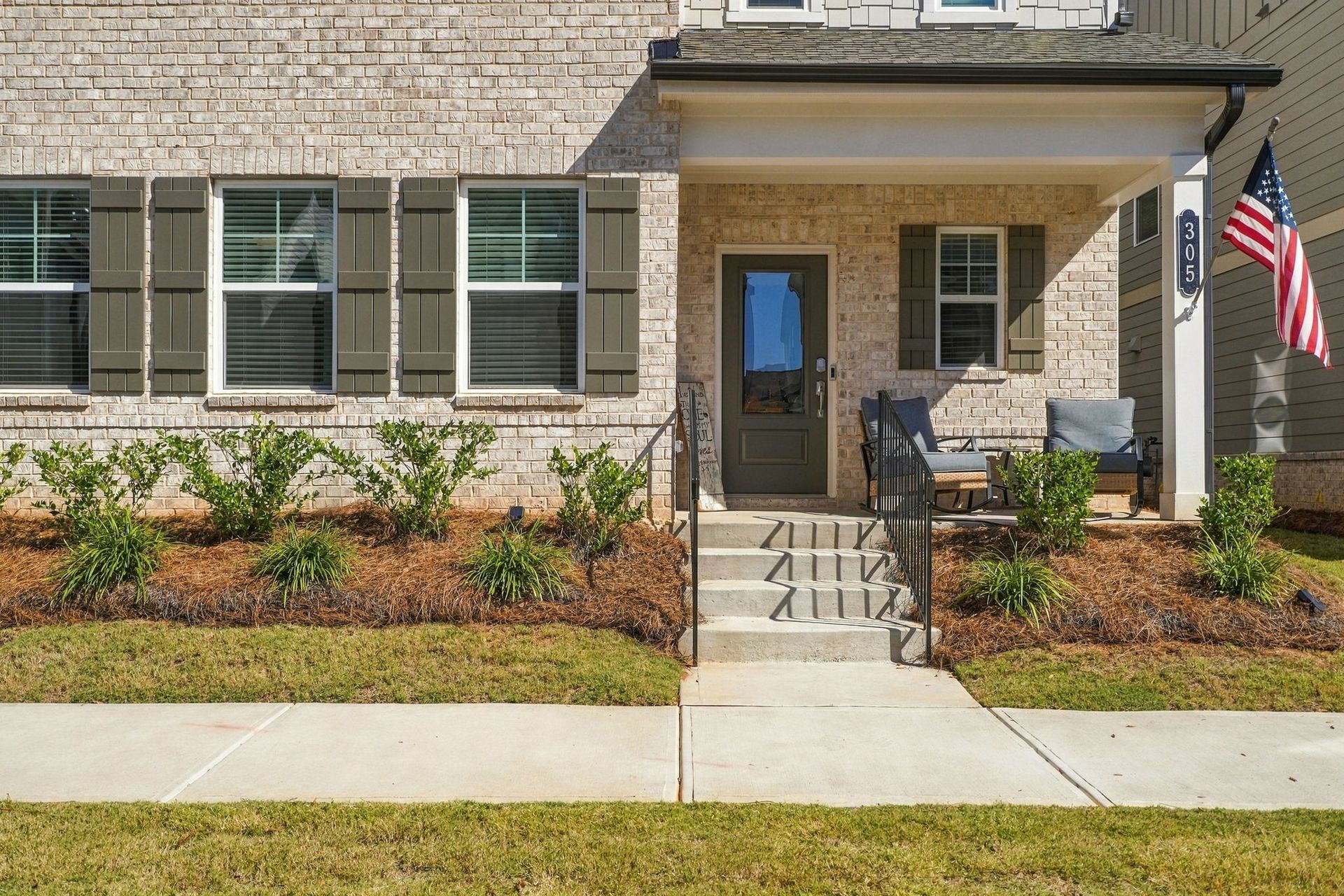
The goal is to help buyers imagine their own lives in the home, rather than struggle to see past how it is currently being used.
What I Would Skip or Review Before Spending Money
This is where a thoughtful strategy can save sellers thousands of dollars.
Major Renovations
The last 30 days before listing are usually not the ideal time to begin a full kitchen or bathroom renovation.
Those projects can be expensive, take longer than anticipated, and delay the launch.
Sometimes they are justified. But that decision should be supported by comparable sales, competing listings, buyer expectations, and the likely impact on market value.
An expensive renovation doesn't automatically mean a higher net.
Improvements Based Mainly on Personal Taste
Luxury light fixtures, designer wallpaper, custom closets, expensive backsplash selections, and elaborate landscaping may be wonderful improvements for someone planning to stay in their home.
But when you're preparing to sell, buyers may not value those choices enough to justify the expense.
Over-Improving for the Neighborhood
A beautifully renovated home can still face pricing limitations based on the surrounding market.
If comparable properties do not support the expected value after renovation, spending more may not be the best financial decision.
That's why I review more than what recently sold.
I also look at current competition, condition differences, price reductions, homes that failed to sell, and what buyers are responding to now.
Major Systems and Inspection Concerns
Roof, HVAC, plumbing, electrical, drainage, and moisture concerns deserve special attention.
The answer is not always to replace or repair everything.
Sometimes the better approach is to evaluate the issue, obtain estimates, document prior work, disclose known conditions as required, and price the home appropriately.
Before spending money, the seller needs to understand both the potential cost of the repair and the potential cost of leaving it unaddressed.
The Seller Decision Rule: Will This Improvement Actually Help Me Sell?
Before spending money on any pre-listing project, I recommend asking one important question:
Will this help my home sell better, or am I only doing it because it bothers me?
That's an important distinction.
As homeowners, we notice things we've wanted to change for years. An outdated light fixture, a bathroom we never loved, or a kitchen backsplash we wish we had replaced.
But buyers don't necessarily value those projects the same way we do.
When preparing a home for sale, I look at improvements through the lens of seller outcomes.
Will this project:
- Attract more serious buyers?
- Improve our first impression and online presentation?
- Reduce buyer hesitation during showings?
- Help support our asking price?
- Reduce potential inspection concerns or renegotiations?
- Improve our competitive position against other listings?
- Help protect our negotiating leverage and final net?
If an improvement clearly supports one or more of these outcomes, it's worth considering.
If it is expensive, delays the launch, or reflects personal preferences that buyers may not value, we need to look more carefully.
The goal is not perfection. It's buyer confidence, competitive positioning, and protecting your final result.
Simple Fix-or-Skip Guide Before Selling Your Home
Every property is different, but this guide offers a practical starting point for deciding which repairs and updates may be worth doing before listing your home.
| Item | Recommendation | Why It Matters |
|---|---|---|
| Active leaks, broken locks, or loose handrails | FIX | Safety and functional problems can raise buyer concerns. |
| Scuffed walls and obvious paint damage | USUALLY FIX | Small cosmetic distractions can make a home feel poorly maintained. |
| Dirty carpets, windows, grout, or baseboards | FIX | Cleanliness strongly affects first impressions. |
| Overgrown landscaping or neglected entry | FIX | Buyers start evaluating your home before they step inside. |
| Burned-out bulbs and poor lighting | FIX | Brighter rooms generally photograph and show better. |
| Excess furniture and personal clutter | FIX | Buyers need to understand the available space and layout. |
| Worn or damaged hardwood floors | REVIEW | Refinishing may improve presentation, depending on the condition and cost. |
| Stained or outdated carpet | REVIEW | Professional cleaning may be enough, or replacement may be worthwhile. |
| Full kitchen or bathroom renovation | USUALLY SKIP | Major expenses may not be justified immediately before selling. |
| Working but dated appliances | REVIEW | Replacement depends on buyer expectations and competing homes. |
| Roof, HVAC, or other major system concerns | REVIEW EARLY | These can influence buyer confidence, financing, inspections, and negotiations. |
| Professional staging | REVIEW | It may be especially valuable when rooms are empty, crowded, or difficult to visualize. |
| Expensive designer finishes | USUALLY SKIP | Buyers may not value personal design choices enough to justify the cost. |
| Repair records, permits, warranties, and update lists | GATHER | Documentation helps buyers understand the property's condition and improvements. |
These are starting recommendations, not rules that apply to every property.
A flooring replacement that makes sense for one home might be unnecessary for another.
What matters is how the home compares with current competition, what buyers expect at the price point, and whether the improvement is likely to strengthen the sale.
Two Real North Atlanta Sales: Different Budgets, Different Strategies
These two recent experiences illustrate why I don't believe in giving every seller the same preparation checklist.
Case Study 1: When Preparation and Professional Staging Were Worth Considering
I recently worked with homeowners who had the time and resources to prepare their property before listing.
We touched up the walls, refinished hardwood floors that had significant wear, and depersonalized the home.
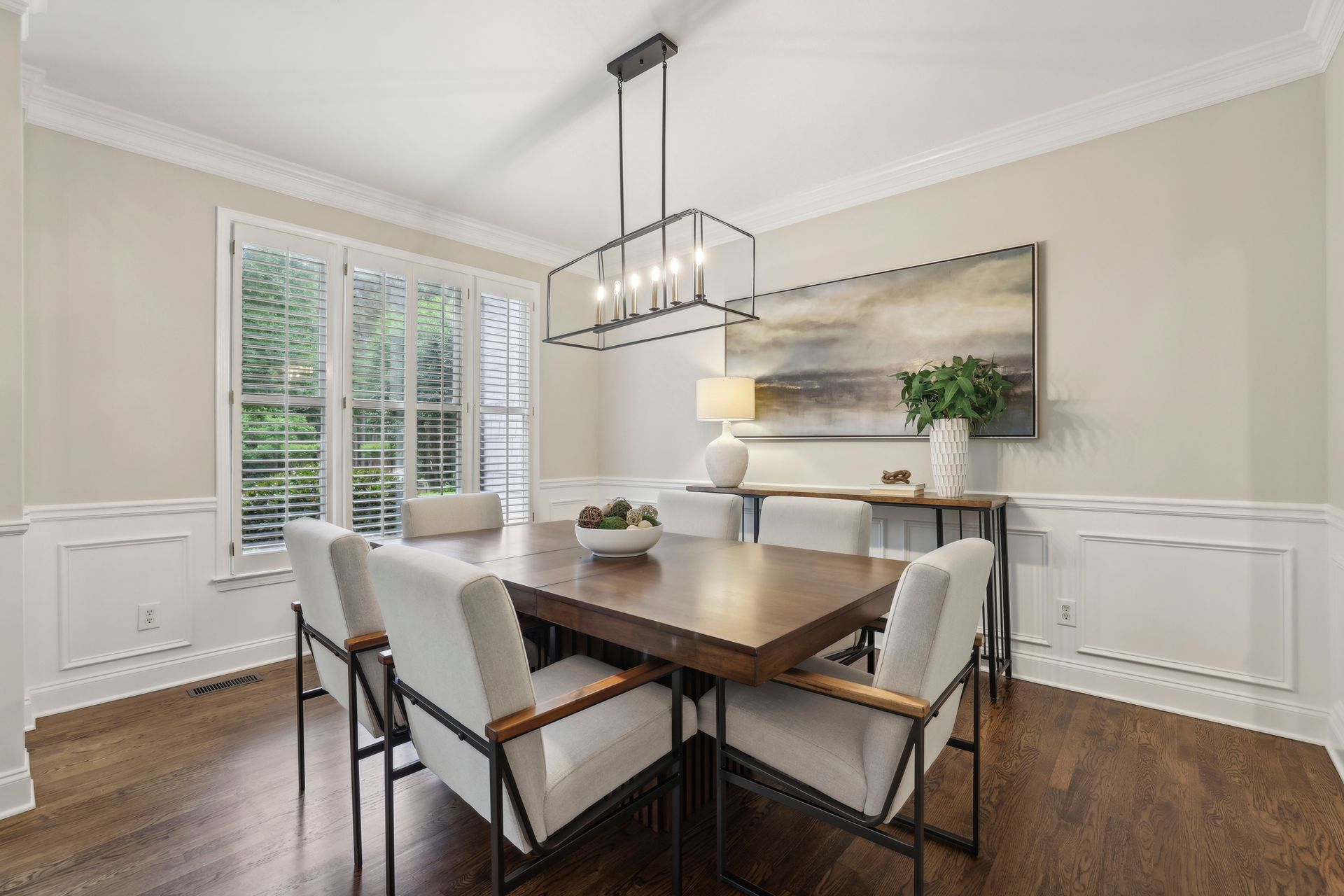
Our original plan was to stage using a combination of the owners' furniture and selected additional pieces. Some furniture would be removed, while other pieces would help present the rooms.
But their circumstances changed, and the owners moved out completely.
Suddenly, we were preparing a vacant house.
The day before our scheduled photography, I reviewed the latest market statistics and current competition once again.
After looking at what buyers would be comparing, I recommended
professionally staging the home instead of photographing it empty.
The sellers agreed.
We staged the property, completed professional photography, and launched with an attractive pricing strategy.
The home went under contract within four days.
What made this experience particularly interesting was that another listing in the same community went live on the exact same day.
That home was priced higher, had not received the same level of preparation, and was marketed using basic phone photography rather than professional listing photos.
At the time I reviewed the results, that property was still on the market.
Of course, no two homes are identical.
Pricing, condition, layout, and other factors can all influence buyer behavior. We cannot attribute the difference in results to staging alone.
But the experience reinforced an important lesson:
Preparation is not just about making repairs. It's about understanding what buyers are comparing and making your home's value easy to see.
In this situation, refinishing worn floors, presenting the home professionally, and pricing it strategically worked together as part of a successful launch.
Case Study 2: When the Sellers Had Almost No Budget for Repairs
Another recent situation was completely different.
My clients were experiencing financial hardship and needed to sell as quickly as possible.
They had very little money available for repairs or improvements.
The main level had several attractive updates, including good flooring, a kitchen with granite countertops, and newer windows.
But the upper level had not been updated.
The carpet had visible stains. The bathrooms showed considerable wear. Several walls needed repairs and painting. There was also a cigarette smell in the garage.
A complete renovation was not financially possible.
Rather than recommending projects the sellers couldn't afford, we focused on what could realistically be accomplished.
Their contractor patched damaged walls upstairs and refreshed the caulking in the bathrooms. He also addressed an old ceiling stain in the kitchen after the underlying HVAC-related issue had been resolved. As with any prior water issue, confirming the cause has been resolved and handling applicable disclosures remains important.
I obtained estimates for additional repairs so we understood the potential costs, even though the sellers could not complete those improvements.
We then priced the property attractively based on its condition and the market.
We didn't try to present the house as fully updated.
We highlighted its existing strengths, accounted for the areas that needed work, and made the home accessible to the broader buyer pool.
The result: 19 groups attended the open house, and we received five offers.
The sellers sold for slightly above asking price.
More importantly, their net proceeds were substantially better than the amounts they had been offered by cash-buying companies for an off-market sale.
For homeowners facing financial hardship, that difference was meaningful.
And the lesson was just as important:
You don't always need a large renovation budget to sell successfully. Sometimes targeted repairs, realistic pricing, and the right market exposure can make a significant difference.
Documents to Gather Before Listing
Preparation isn't only about appearance.
Buyers also want to understand the home's condition, improvements, and ongoing expenses.
When available, I recommend gathering:
- Roof age and replacement records
- HVAC ages and service records
- Water heater information
- Renovation receipts and contractor invoices
- Permits for applicable improvements
- Appliance and transferable warranty information
- HOA documents and fees
- Survey and floor plan, if available
- Termite bond or pest treatment information
- List of major updates and improvements
- Information about known property issues and prior repairs
This documentation can help answer buyer questions, support accurate marketing, and reduce unnecessary uncertainty.
Frequently Asked Questions About Preparing a Home for Sale
What should I fix before selling my house?
Start with issues that affect safety, functionality, cleanliness, presentation, and buyer confidence. Examples include active leaks, broken fixtures, damaged doors, obvious paint issues, poor lighting, dirty carpets, and neglected landscaping. Larger repairs should be evaluated based on cost, condition, and buyer expectations.
Should I repaint my entire house before listing?
Not necessarily. Repainting may help when walls are heavily scuffed, colors are unusually bold, or the home feels dated. But if the paint is clean and generally appealing, touch-ups or selective repainting may be enough.
Is it worth replacing carpet before selling?
It depends on the carpet's condition and the competing homes. Professional cleaning may be sufficient in some cases. Severely stained or worn carpet can create buyer objections, but replacement should be weighed against cost, pricing, and the property's overall condition.
Should I renovate my kitchen or bathroom before selling?
Usually, major renovations require careful financial review. They may improve buyer appeal, but sellers do not automatically recover the full cost. Smaller improvements or strategic pricing may sometimes be more practical.
Is a pre-listing inspection worth it?
It can be, particularly for older homes or properties with known maintenance concerns. A pre-listing inspection may help identify issues before buyers begin due diligence. However, it isn't necessary for every property, and sellers should understand the cost and disclosure implications.
Can I sell my house without making repairs?
Yes. Some homes sell successfully with minimal preparation, particularly when the condition is accurately represented and pricing reflects the needed work. Buyers may still negotiate based on repairs or inspection findings, so the preparation and pricing strategies need to work together.
How early should I start preparing my home for sale?
Thirty days can be enough for a home needing limited preparation. If you're considering major improvements, have substantial decluttering to do, or need contractors, starting 60–90 days ahead may be more realistic.
Final Thoughts: Prepare Strategically, Not Expensively
The 30 days before listing can make a real difference in how your home is received by buyers.
But preparation should not be overwhelming, and it should not mean spending money on everything that looks imperfect.
Some homes benefit from refinished floors, professional staging, and more extensive preparation.
Others need only essential repairs, thoughtful presentation, realistic pricing, and strong market exposure.
The best preparation strategy isn't necessarily the most expensive one. It's the one that gives your home the strongest opportunity to compete while protecting your budget and your final net.
Before spending thousands on repairs or renovations, it's worth understanding what buyers are likely to notice, what your competition offers, and which improvements may actually influence the sale.
If you're thinking about selling your home in Alpharetta, Milton, Roswell, Johns Creek, Cumming, or the surrounding North Atlanta area, text READY to 404-436-2128 for a private pre-listing readiness review.
We'll look at your home's condition, likely buyer expectations, market competition, and preparation priorities so you can make informed decisions before listing.

Irina Averyanov
Keys to North Atlanta | Keller Williams North Atlanta
404.434.4454
irina.a@kw.com
www.keystonorthatlanta.com