
New Construction Deals in North Atlanta: Real Opportunity or Hidden Trap?
If you’ve been driving through Alpharetta, Milton, Johns Creek, Cumming, or other parts of North Atlanta lately, you’ve probably seen the signs:
Move-in ready homes. Builder incentives. Interest-rate buy-downs. Closing cost credits. Design center bonuses.
For homeowners who are thinking about moving up, those offers can look very tempting.
And sometimes, they are.
A builder incentive can absolutely create a real opportunity — especially if the home is already completed, the builder wants to move inventory, and the numbers work in your favor.
But here’s the part many homeowners miss:
A builder incentive is only valuable if the full move protects your equity, your timeline, and your long-term financial position.
If you already own a home, the biggest question is not just, “How much is the builder giving me?”
The better question is:
“How does this new construction purchase affect the home I already own?”
Because your current home may be the financial engine behind your next move.
Why Builders Offer Incentives
Builders are businesses. Their decisions are driven by inventory, timing, cash flow, and pricing strategy.
When a builder has finished homes sitting in a community, they may want to sell them before the end of a month, quarter, or season.
But instead of reducing the base price dramatically, builders often offer incentives such as:
Interest-rate buy-downs
Closing cost credits
Design center credits
Appliance packages
Quick move-in discounts
Preferred lender incentives
Why not simply drop the price?
Because lowering the base price can affect future appraisals, upset previous buyers who already purchased in the community, and reset expectations for the next phase of homes.
So instead of saying, “We reduced the price by $30,000,” a builder may say, “We’ll give you $30,000 toward closing costs, upgrades, or a rate buy-down.”
That does not mean the incentive is bad.
It just means you need to understand what it really means.
A Builder Credit Is Not Automatically Savings
One of the biggest mistakes buyers make is assuming that a $25,000 builder credit means they are automatically saving $25,000.
Sometimes that is true.
Sometimes it is not.
The credit needs to be reviewed inside the full financial picture.
Before you get excited about the number on the flyer, ask:
- What is the actual purchase price?
- What interest rate are you being offered?
- Are there discount points?
- What are the lender fees?
- Is the rate buy-down permanent or temporary?
- Are you required to use the builder’s preferred lender?
- What happens if your current home does not sell on time?
- How does the builder’s closing timeline fit your life?
A credit is not the same thing as true savings.
The real question is:
What is the net benefit after everything is included?
The Preferred Lender Question.
Many builders offer their strongest incentives only if you use their preferred lender.
That does not automatically mean the preferred lender is bad. In some cases, the builder’s lender may be the best option.
But you need a side-by-side comparison.
Compare the builder’s lender against another
trusted lender and look at:
Interest rate
Origination fees
Discount points
Processing fees
Lender credits
Monthly payment
Total cash needed to close
Whether the buy-down is temporary or permanent
Sometimes the builder incentive creates real savings.
Other times, the incentive looks attractive, but the fees, rate structure, or loan terms reduce the actual benefit.
The goal is not to reject the builder’s lender automatically.
The goal is to understand the full picture.
Do not compare incentives. Compare net benefit.
The Bigger Question: What Happens to Your Current Home?
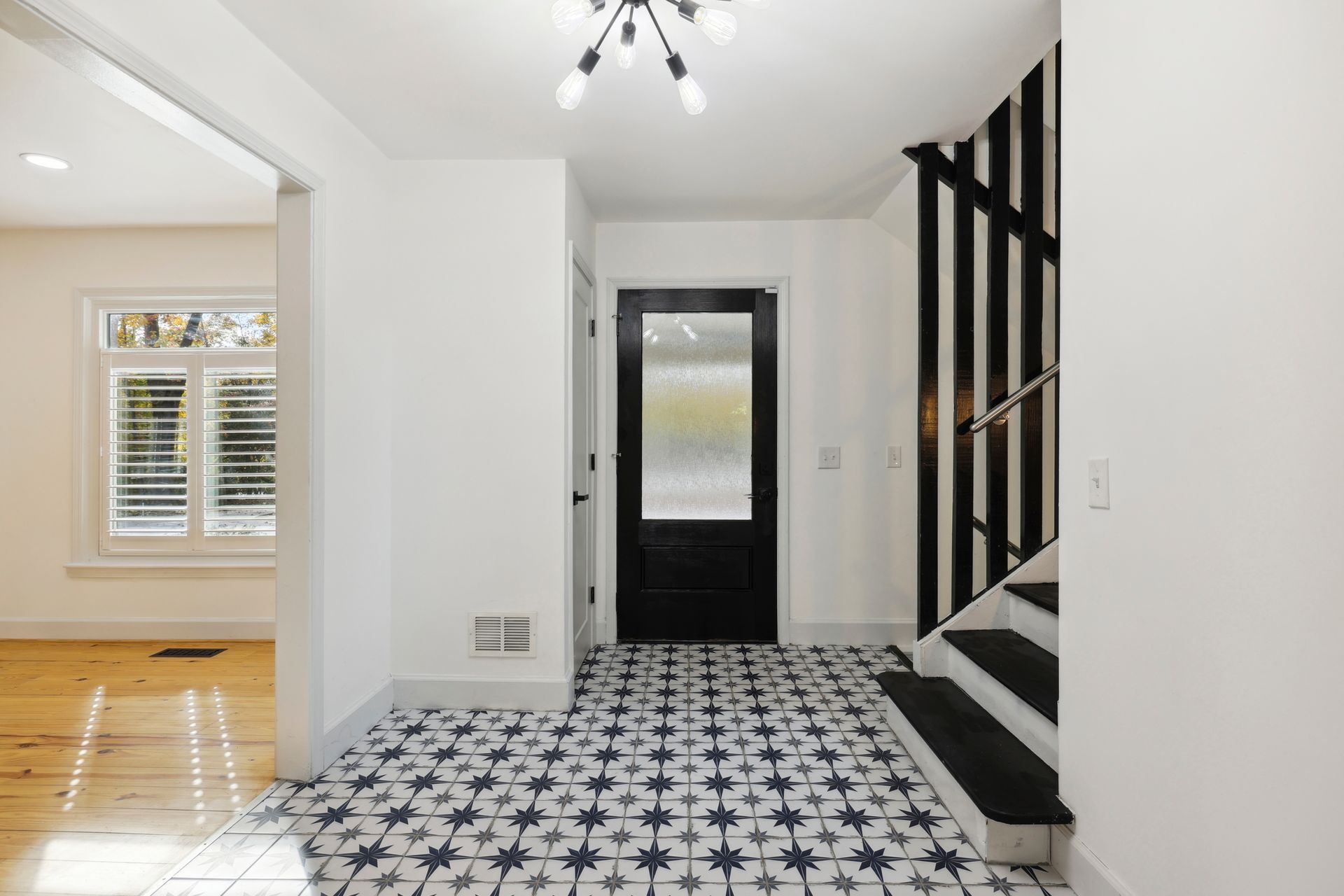
If you already own a home in North Atlanta, your current home may be the most important part of the new construction decision.
Before you sign a builder contract, you need to know:
- How much your current home is worth
- How much equity you have
- What your likely net proceeds would be
- How long it may take to sell
- What prep your home needs before listing
- Whether you should sell, buy first, or keep the home as a rental
This is where many move-up buyers get into trouble.
They walk into a beautiful model home, fall in love with the finishes, get excited about the builder incentive, and only then start figuring out what to do with their current home.
That creates pressure.
And pressure is where expensive decisions happen.
Option 1: Sell First, Then Buy
Selling first gives you clarity.
You know exactly how much equity you have available, what your net proceeds look like, and how much cash you can put toward the next home.
The challenge is timing.
You may need temporary housing, a leaseback, or a very carefully coordinated closing strategy.
This option can work well for homeowners who want financial certainty before committing to the next purchase.
Option 2: Buy First, Then Sell
Buying first gives you more control over the move.
You can secure the new construction home, move in, and then prepare your current home for sale without rushing.
This can be especially helpful if your current home needs paint, repairs, staging, or decluttering before it goes on the market.
The challenge is that you may need to qualify while still owning your current home. You may also need a bridge loan, recasting strategy, or enough cash reserves to carry both homes temporarily.
This option can be powerful, but it has to be planned carefully.
Option 3: Keep Your Current Home as a Rental
Some homeowners wonder whether they should keep their current home instead of selling it.
This can be a smart wealth-building strategy — but only if the numbers work.
Before keeping your home as a rental, you need to evaluate:
- Expected monthly rent
- Mortgage payment
- HOA rules
- Maintenance costs
- Vacancy risk
- Property management
- Taxes and insurance
- Long-term appreciation potential
- Your comfort level as a landlord
A home with a low interest rate and strong rental demand can become a valuable long-term asset.
But not every home makes a good rental.
Sometimes the equity is more powerful when used toward the next purchase. Other times, keeping the home may create long-term wealth.
The answer depends on the math.
Watch the Contract Timing
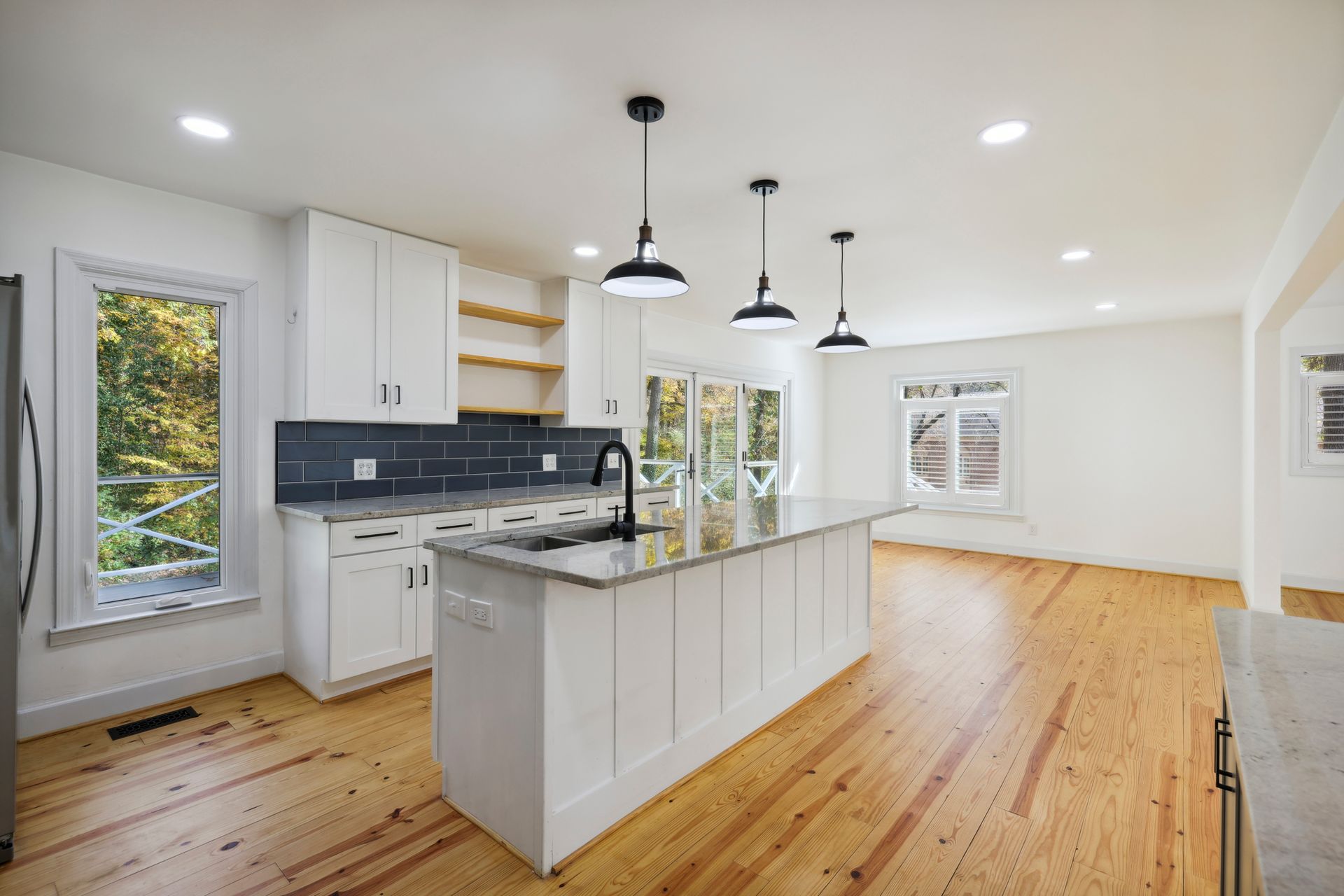
Builder contracts are different from standard resale contracts.
They are usually written to protect the builder, and the timelines can be less flexible than what buyers are used to in a regular resale transaction.
If your new construction purchase depends on selling your current home, you need to understand exactly how the home-sale contingency works.
Some builders may not accept a contingency at all.
Others may accept one, but include a kick-out clause. That means if another buyer comes along without a home-sale contingency, the builder may give you a short window to remove yours or lose the home.
That can put a seller under a lot of pressure.
And pressure can cost more than the incentive saves.
A rushed seller may:
Drop the price too quickly
Accept weaker contract terms
Skip important home prep
Go live before the home is ready
Give up equity to protect the new house
That is what we want to avoid.
A $30,000 builder incentive is not a win if you lose $50,000 rushing the sale of your current home.
The Smart Strategy Before Buying New Construction
Before you sign a builder contract, step back and look at the full transition.
Here is the framework I recommend:
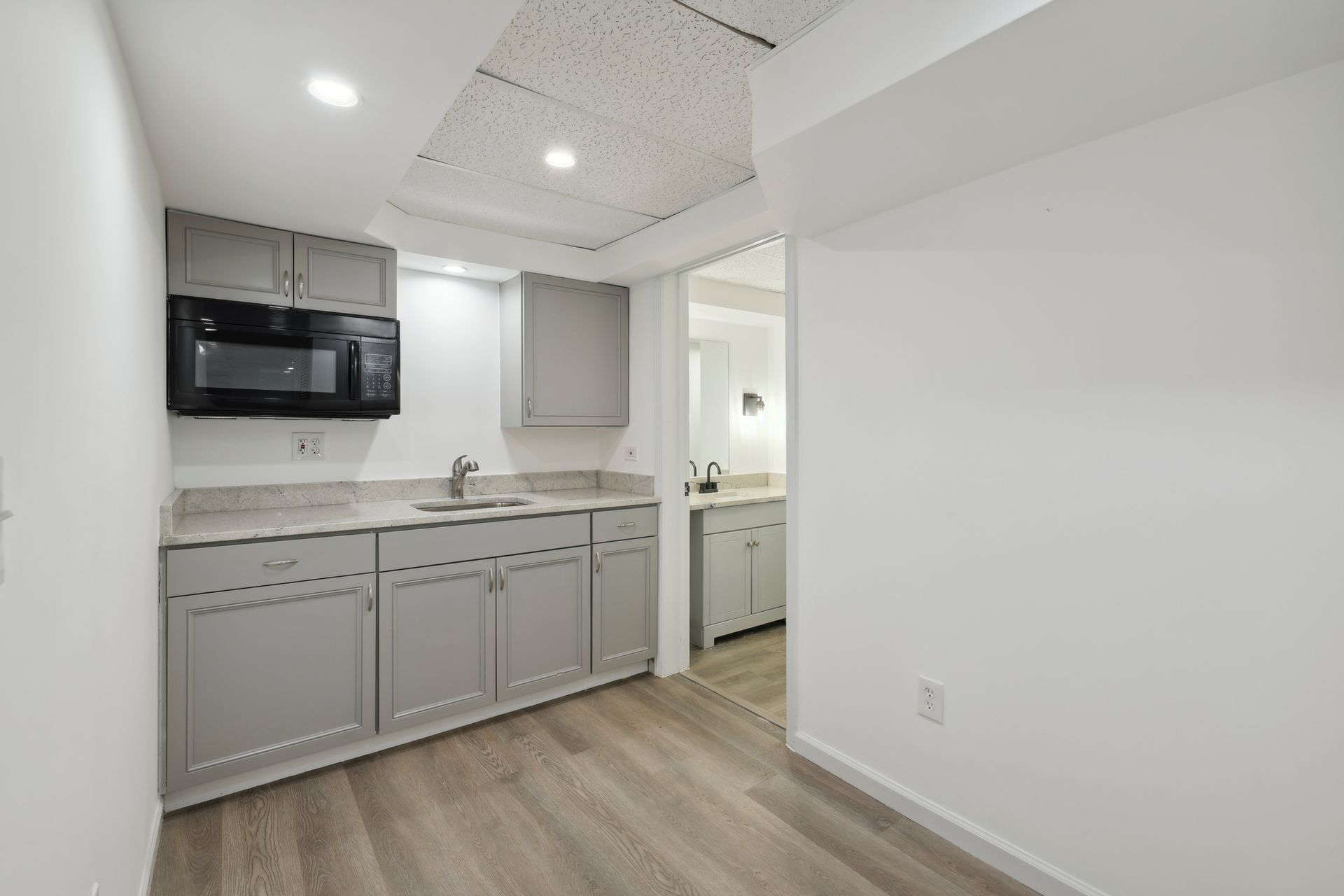
1. Get a realistic value range for your current home
Not a Zestimate. Not a guess.
You need a real valuation based on current competition, recent sales, condition, location, timing, and buyer demand.
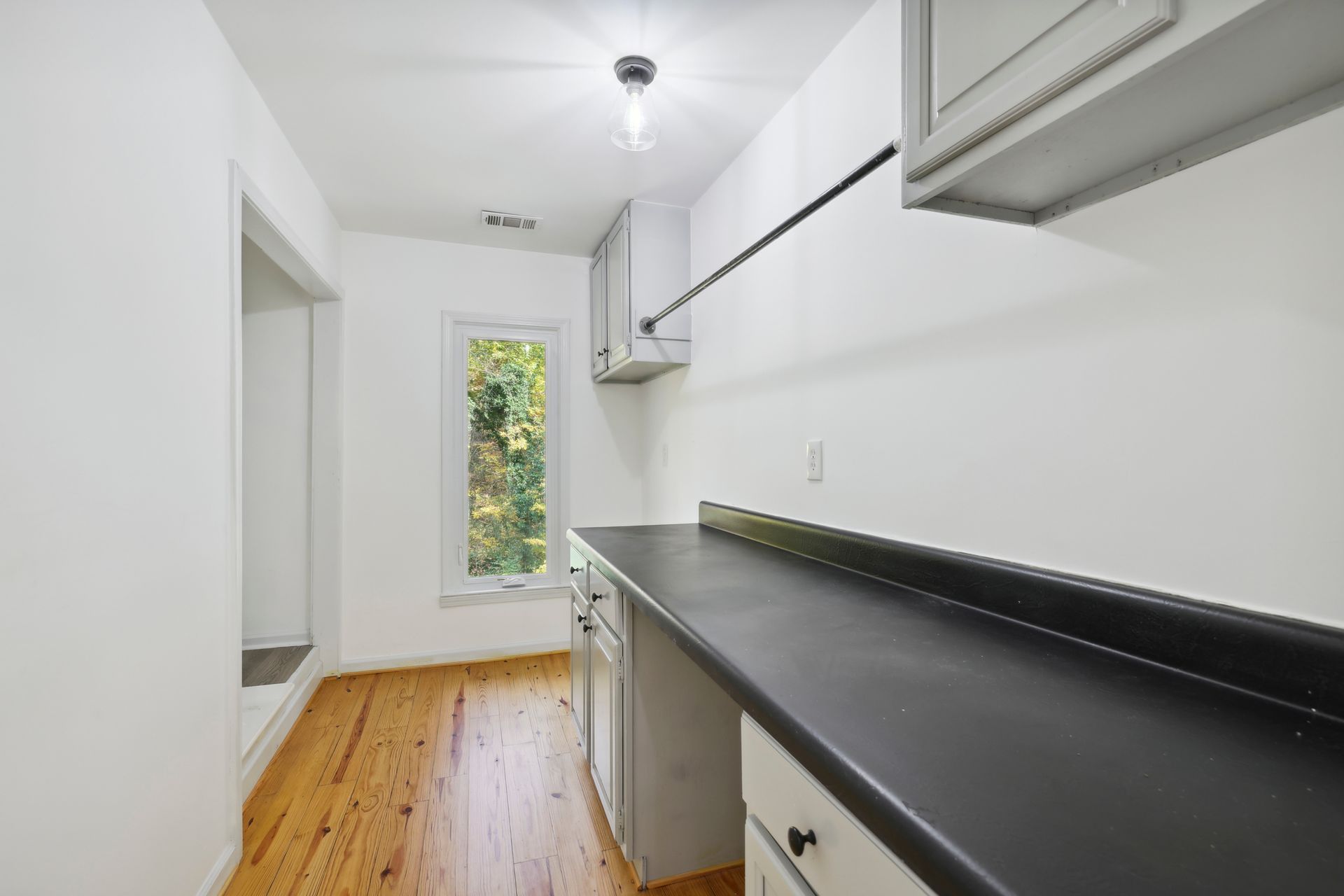
2. Understand your true net
Your sale price and your net are not the same thing.
You need to account for mortgage payoff, selling costs, preparation, repairs, closing expenses, and timing.
3. Compare sell vs. keep
Would your current home make sense as a rental?
Or would your equity work harder if you sold and applied it toward the next purchase?
This decision should be based on math, not emotion.
4. Audit the builder incentive
Look beyond the big number.
Review the interest rate, lender fees, discount points, cash to close, monthly payment, and whether the buy-down is temporary or permanent.

Final Thoughts
New construction incentives can be real opportunities.
But they should never be evaluated in isolation.
If you already own a home, the builder’s offer is only one piece of the puzzle.
Your current home value, net proceeds, loan options, contract timing, and sell-vs-keep strategy matter just as much — and sometimes more.
Before you walk into a model home or sign a builder contract, start with your current home.
That is where the real strategy begins.
Thinking about buying new construction in North Atlanta?
I offer a New Construction & Equity Review for homeowners who want to understand their full picture before making a decision.
We’ll look at:
- Your current home value
- Your likely net proceeds
- Whether selling or keeping makes more sense
- How builder incentives affect your numbers
- What timeline protects your equity
- What strategy gives you the most flexibility
Text NEWBUILD to 404-434-4454, and I’ll help you run the numbers before you sign anything.
Irina Averyanov
Keys to North Atlanta | Keller Williams North Atlanta
Serving Alpharetta, Milton, Johns Creek, Roswell, Cumming, and surrounding North Atlanta communities
404.434.4454
irina.a@kw.com
FAQ: New Construction Deals in North Atlanta
1. Are builder incentives actually worth it?
Builder incentives can be worth it, but only if the full numbers work. A closing cost credit, rate buy-down, or design center bonus may look attractive, but buyers should compare the purchase price, interest rate, lender fees, monthly payment, and total cash needed to close. The real question is not “How much is the builder giving me?” but “What is the true net benefit?”
2. Why do builders offer incentives instead of lowering the price?
Builders often prefer incentives because lowering the base price can affect future appraisals, upset previous buyers, and reset pricing expectations for the entire community. A builder may offer a credit toward closing costs, upgrades, or a rate buy-down instead of reducing the published price of the home.
3. Should I use the builder’s preferred lender?
Sometimes the builder’s preferred lender is a good option, but you should always compare it against another trusted lender. Review the interest rate, origination fees, discount points, lender credits, monthly payment, and cash needed to close. The builder’s incentive may be valuable, but the loan structure needs to be reviewed carefully.
4. Is a builder rate buy-down permanent or temporary?
It depends on the program. Some builder rate buy-downs are permanent, while others are temporary, such as a 2-1 buy-down where the payment increases after the first few years. Before accepting a rate incentive, ask whether the lower rate is permanent, how long it lasts, and what your payment will be after the buy-down period ends.
5. Should I sell my current home before buying new construction?
Selling first gives you clarity on your equity and net proceeds, but it can create timing challenges if your new home is not ready yet. Buying first may give you more control, but you need the financial ability or lending strategy to carry both homes temporarily. The right answer depends on your equity, timeline, monthly comfort level, and the builder’s contract terms.
6. Can I buy new construction before selling my current home?
Yes, but it needs to be planned carefully. Some homeowners use savings, bridge loans, home equity strategies, or recasting after their current home sells. Before buying first, you need to know whether you can qualify while still owning your current home and whether the builder’s closing timeline gives you enough flexibility.
7. Should I keep my current home as a rental instead of selling it?
Keeping your current home as a rental can be a strong wealth-building strategy if the numbers work. You need to review expected rent, mortgage payment, HOA rules, maintenance costs, vacancy risk, insurance, taxes, and property management. A low interest rate can be valuable, but not every home makes sense as a rental.
8. What is the biggest risk when buying new construction while selling another home?
The biggest risk is timing pressure. Builder contracts are usually written to protect the builder, and some include strict deadlines or kick-out clauses. If your current home does not sell in time, you may feel pressured to reduce the price, accept weaker terms, or rush your preparation. That pressure can cost more than the builder incentive saves.
9. What is a kick-out clause in a builder contract?
A kick-out clause allows the builder to continue marketing the home while your contract is contingent on selling your current home. If another buyer comes in without a contingency, the builder may give you a short window to remove your contingency or terminate. This can create pressure if your current home is not already prepared and positioned to sell.
10. What should I do before walking into a new construction model home?
Before visiting a model home, know your current home’s realistic value, your estimated net proceeds, your sell-versus-keep options, and your financing strategy. The builder’s incentive should be reviewed only after you understand how your current home supports the next move.
11. Are new construction homes negotiable in North Atlanta?
Yes, sometimes. Builders may negotiate through incentives rather than price reductions. Depending on inventory, timing, and demand, they may offer closing cost credits, rate buy-downs, design upgrades, appliance packages, or quick move-in discounts. Negotiation depends on the specific builder, community, home, and timing.
12. How do I know if a builder incentive is a good deal?
A builder incentive is a good deal only if it improves your overall financial position. Compare the total purchase price, interest rate, loan fees, monthly payment, closing costs, contract deadlines, and the impact on your current home sale. The incentive should support your move — not pressure you into a decision that weakens your net.
Learn More About New Construction Deals
New construction homes can offer exciting opportunities, but they also come with important considerations buyers should understand. Watch this video to gain additional insights into builder incentives, pricing strategies, and potential pitfalls so you can make a more informed home-buying decision.