


Should You Sell Your North Atlanta Home This Fall or Winter, or Wait Until Spring 2027?
What local home prices, mortgage rates, affordability, and housing forecasts tell us about choosing the right time to sell.
If you're thinking about selling your home in North Atlanta, you may be asking yourself:
Should I sell now, or would I be better off waiting until spring 2027?
It's a reasonable question, especially with mortgage rates rising, buyers becoming more cautious, and economists predicting another challenging year for housing affordability.
Spring has traditionally been the busiest real estate season. More buyers are searching, homes often look their best, and many homeowners plan their moves around the warmer months.
But here's something sellers sometimes overlook.
Spring may bring more buyers, but it usually brings more competing listings, too.
And there's another important consideration: waiting until next spring doesn't guarantee that your home will sell for more.
So before making that decision, I would look at three things:
- What actually happened to North Atlanta home prices in 2026?
- What are economists expecting for housing prices and mortgage rates in 2027?
- What would waiting mean for your home's competitive position and your financial outcome?
Let's look at the numbers, and more importantly, what they could mean for you.
Is Spring Really the Best Time to Sell a Home?
Historically, spring and early summer tend to bring higher real estate activity.
According to the National Association of REALTORS®, buyer activity generally increases during the spring, while November through January are typically slower months.
That makes sense.
Many buyers prefer moving during warmer weather, and some households want to complete their move before the next school year.
But there's another side to this seasonal pattern.
When spring arrives, more homeowners decide to list their properties.
And that creates competition.
Imagine your home is one of three similar properties available in your neighborhood during November.
By March or April, there may be six or seven comparable options.
You may have more buyers looking, but those buyers also have more homes to compare.
That doesn't automatically mean selling in fall or winter is better.
It means we should evaluate buyer demand and available competition together rather than relying on the calendar alone.
What Happened to North Atlanta Home Prices in 2026?
Before looking at national predictions for 2027, I think it's important to understand what actually happened in our local market.
And one thing is clear.
North Atlanta is not one market.
A luxury property in Milton may perform very differently from a townhome in Roswell or a newer home in Cumming.
Even neighboring communities can experience different buyer demand, inventory levels, and pricing trends.
Local Home Price Changes: August 2026 vs. August 2025
Based on the city-level FMLS market data we reviewed earlier this year:
| City | August 2026 Median Sold Price | Change vs. August 2025 |
|---|---|---|
| Milton | $1,310,000 | +15.7% |
| Roswell | $685,500 | +4.6% |
| Alpharetta | $775,000 | +3.1% |
| Cumming | $595,000 | +1.2% |
| Johns Creek | $670,000 | -16.8% |
Source: Previously reviewed FMLS city-level August 2026 sold-price snapshots. These are year-over-year monthly median-price comparisons, not full-year appreciation rates.
At first glance, you might conclude that Milton experienced tremendous appreciation while Johns Creek lost significant value.
But that's not necessarily what happened.
A change in median sold price is not the same as a change in the value of an individual home.
If more luxury properties close in one month, the median price can rise significantly even if similar homes aren't actually selling for much more than they did last year.
And if a larger share of smaller or lower-priced homes sells during a particular month, the median can decline.
That's especially important in communities with a wide range of home prices or relatively small monthly sales samples.
In fact, our September snapshot already showed a different picture.
Milton's median sold price was approximately $1.38 million, about 8% above September 2025, while Roswell's September median was essentially unchanged from the previous year.
So, did we see local price growth in 2026?
Yes, several North Atlanta cities recorded higher monthly median sold prices than a year earlier. But the results were uneven, and they do not establish a uniform appreciation rate for every home.
That's why I prefer evaluating comparable properties within the same neighborhood, price range, and property type rather than applying a citywide percentage to an individual home.
What About the Broader Atlanta Market?
According to Georgia MLS's September 2026 market recap, the 29-county Atlanta metropolitan area recorded:
- 4.94 months of housing inventory, compared with 4.72 months one year earlier.
- 5,143 residential sales, down 11.5% from September 2025.
- A median residential sales price of $387,500, essentially unchanged year over year.
- 28,259 active listings, approximately 4.8% more than one year earlier.
In other words, prices at the metro level were relatively stable, but there were more homes available and fewer transactions.
That suggests buyers had more options and were making purchasing decisions more carefully.
It doesn't mean every seller needs to reduce their price.
But it does mean that pricing, condition, presentation, and competition can have an even greater influence on how a home performs.
What Are Housing Economists Predicting for 2027?
If you're considering waiting until spring 2027, it's worth looking at what housing economists expect.
And the projections don't point to a dramatic, broad-based housing rebound.
According to Fannie Mae's October 2026 Housing Forecast, national home-price growth, as measured by its Home Price Index, is projected at approximately 0.6% in 2027.
Meanwhile, the Q3 2026 Fannie Mae/Pulsenomics Home Price Expectations Survey, which collects opinions from more than 100 housing experts, shows an average expectation of 2.2% national price growth in 2027.
These are different forecasting approaches, and their estimates vary.
But neither suggests that homeowners should automatically expect a major increase in home values next year.
Mortgage rates are another important part of the picture.
Fannie Mae's October forecast projects the average 30-year mortgage rate at approximately 7.5% in 2027.
The Mortgage Bankers Association's October 2026 forecast also anticipates mortgage rates remaining above 7% throughout the year, although it expects some easing from recent peaks.
These are forecasts, not guarantees. Economic conditions, inflation, employment, and financial markets can all change.
What Does This Mean for North Atlanta Sellers?
We could enter spring 2027 with more buyers actively searching for homes, but still face affordability pressures that limit what those buyers can comfortably pay.
And it's important to understand that national price projections are not predictions for individual homes in Alpharetta, Milton, Johns Creek, Roswell, or Cumming.
A forecast of modest national appreciation does not mean your home will necessarily be worth more in April than it is today.
The answer depends on your property's condition, competing listings, current buyer demand, and what changes between now and spring.
2027 outlook based on forecasts available as of October 2026.
How Could Mortgage Rates and Affordability Affect Your Sale?
This may be one of the most important considerations heading into 2027.
Even when home prices remain relatively stable, changes in mortgage rates can significantly affect buyer purchasing power.
According to Freddie Mac's mortgage-rate survey, the average 30-year fixed mortgage rate reached 7.40% on October 15, 2026, compared with 6.27% one year earlier.
That difference has a real impact on monthly payments.
| Mortgage Rate | Approximate Monthly Principal & Interest |
|---|---|
| 6.27% | $3,085 |
| 7.40% | $3,462 |
| Monthly difference | +$377 |
Illustration only. Assumes a $500,000 principal balance, 30-year fixed-rate financing, and excludes property taxes, insurance, HOA dues, mortgage insurance, and other ownership expenses.
That's approximately $377 more every month to borrow the same amount of money.
And for buyers shopping with a fixed monthly budget, that may mean qualifying for a lower purchase price or deciding to postpone their move.
Why This Matters for Sellers
Higher borrowing costs don't necessarily cause home prices to fall immediately.
Instead, they may change buyer behavior.
Buyers may become more selective about condition and updates. They may take longer to make decisions, compare more properties, or negotiate more aggressively.
Some may request closing-cost contributions or mortgage-rate buydowns to make the monthly payment more manageable.
And some buyers may simply decide not to move.
That can create a market where prices appear relatively stable but transaction activity slows.
There is an important distinction here: national affordability indicators have shown periods of improvement during 2026, so affordability hasn't moved in one direction every month. Nevertheless, the recent increase in mortgage rates has renewed pressure on purchasing power.
Could Lower Mortgage Rates Bring More Buyers in Spring?
Absolutely.
If rates decline meaningfully, more buyers may be able to qualify or become comfortable with their monthly payments.
That could support demand.
But lower rates could also encourage additional homeowners to list their properties.
And if rates stay elevated, spring may bring the usual seasonal increase in activity without a major improvement in affordability.
This is why I wouldn't base a selling decision on the assumption that mortgage rates will be lower next spring.
Instead, I'd evaluate what buyers can afford today, what they are actually purchasing, and how your property fits into that market.
What Are the Advantages of Selling This Fall or Winter?
There can be several, particularly for homeowners whose properties are already prepared for the market.
Less New-Listing Competition
Many sellers postpone their plans during the holidays or wait for spring.
That can mean fewer new listings competing for buyers' attention.
However, there may still be substantial inventory from homes that haven't sold during previous months.
So I would look at actual competition, not simply assume winter means fewer options for buyers.
Buyers Still Have Reasons to Move
People continue purchasing homes throughout the year.
Some relocate for employment. Others need a different floor plan, want to downsize, or are making a major life transition.
Many don't have the flexibility to wait until spring.
While overall showing activity may be lower, the buyers who are active can have meaningful reasons to complete a purchase.
You don't need the entire market to be interested in your home. You need the right buyer who sees its value and can successfully complete the transaction.
More Flexibility on Your Next Purchase
This is especially important if you're selling one property and purchasing another.
Perhaps you could attract more buyers for your home in spring.
But what if the property you want to purchase becomes more competitive at the same time?
What if a seller today is willing to negotiate on price, closing costs, or timing?
For move-up and downsizing sellers, we need to evaluate both transactions together.
Sometimes the opportunity on the buying side can outweigh a modest difference in the selling price.
What Are the Challenges of Selling During Fall and Winter?
We should also be realistic about the disadvantages.
Buyer activity typically slows during the holidays, so you may receive fewer showings.
In North Atlanta, outdoor spaces can look less appealing once landscaping becomes dormant.
Mature trees can affect interior lighting, and shorter daylight hours may create additional challenges for photography and showings.
Sellers may also have travel plans, holiday gatherings, or other commitments that make frequent showings inconvenient.
None of that means a winter listing cannot be successful.
But it reinforces why presentation, lighting, photography, and showing flexibility matter.
Selling in winter requires a strategy tailored to the season, not simply putting the home on the market and hoping buyers will find it.
The Financial Question: What Will Waiting Until Spring Actually Cost You?
This is where I think many sellers need to spend more time.
Because waiting is not always free.
If you've already moved, purchased another property, or are carrying a vacant home, delaying a sale may create additional expenses.
These can include mortgage interest, property taxes, insurance, utilities, maintenance, and the cost of carrying two properties.
There may also be an opportunity cost from delaying access to your sale proceeds.
A Simple Example
Let's say waiting five additional months creates $1,500 per month in extra costs that you could avoid by selling sooner.
That is $7,500 in additional expenses.
In that situation, selling in spring would need to generate more than $7,500 in additional net benefit just to offset the added cost.
And that's before considering any further repairs, price changes, or additional transaction-related expenses.
This is an illustration, not a projection. The calculation should include only genuine incremental costs of waiting. For example, mortgage principal payments generally build equity and shouldn't automatically be treated as an expense lost through waiting.
On the other hand, if you're comfortably living in your current home, have a low mortgage rate, and need additional time to prepare the property, postponing may be financially reasonable.
The point isn't that waiting is expensive for everyone. It's that we should calculate its real cost before making the decision.
An Additional Consideration for Move-Up Sellers
If you're selling and buying another property, I would look beyond your current home's possible sale price.
Perhaps you're considering leaving a mortgage with a 3% interest rate and purchasing a more expensive home at today's rates.
That change in financing may have a much greater effect on your monthly budget than a modest difference in your selling price.
Or perhaps you have substantial equity and could purchase a smaller home with significantly less financing.
Your circumstances matter.
A successful real estate transition isn't necessarily the one with the highest selling price. It's the one that achieves the strongest overall financial and lifestyle outcome.
When Would I Recommend Selling Now?
I would seriously consider a fall or winter sale when the home is already prepared, the seller has a clear reason to move, and the current competitive position is favorable.
For example, if comparable homes in your neighborhood are limited, buyers are still active in your price range, and delaying would create additional expenses, there may be little reason to automatically wait for spring.
But I would still review recent sales, competing listings, price reductions, pending contracts, and how similar homes are performing.
The key isn't simply that your home is ready.

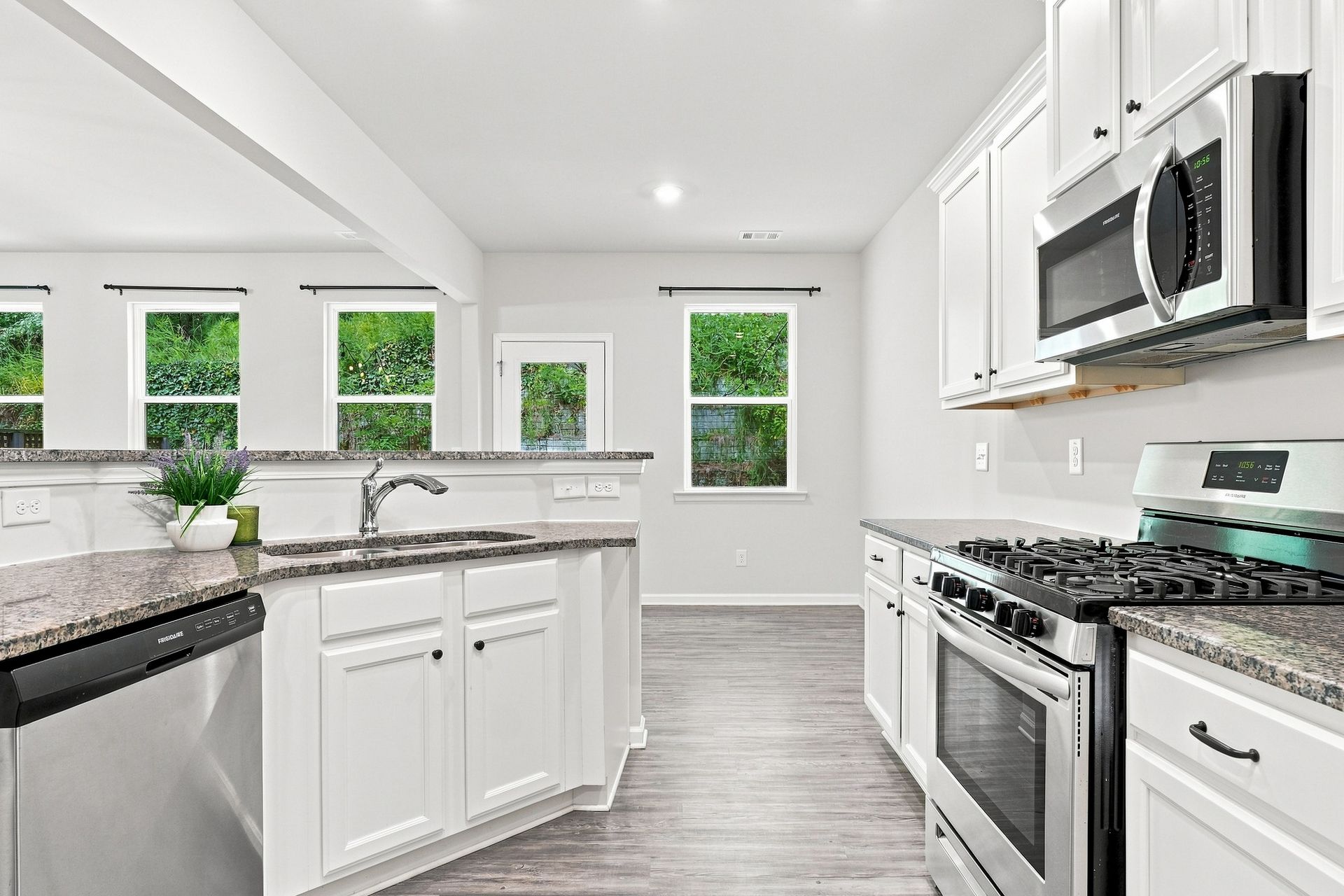
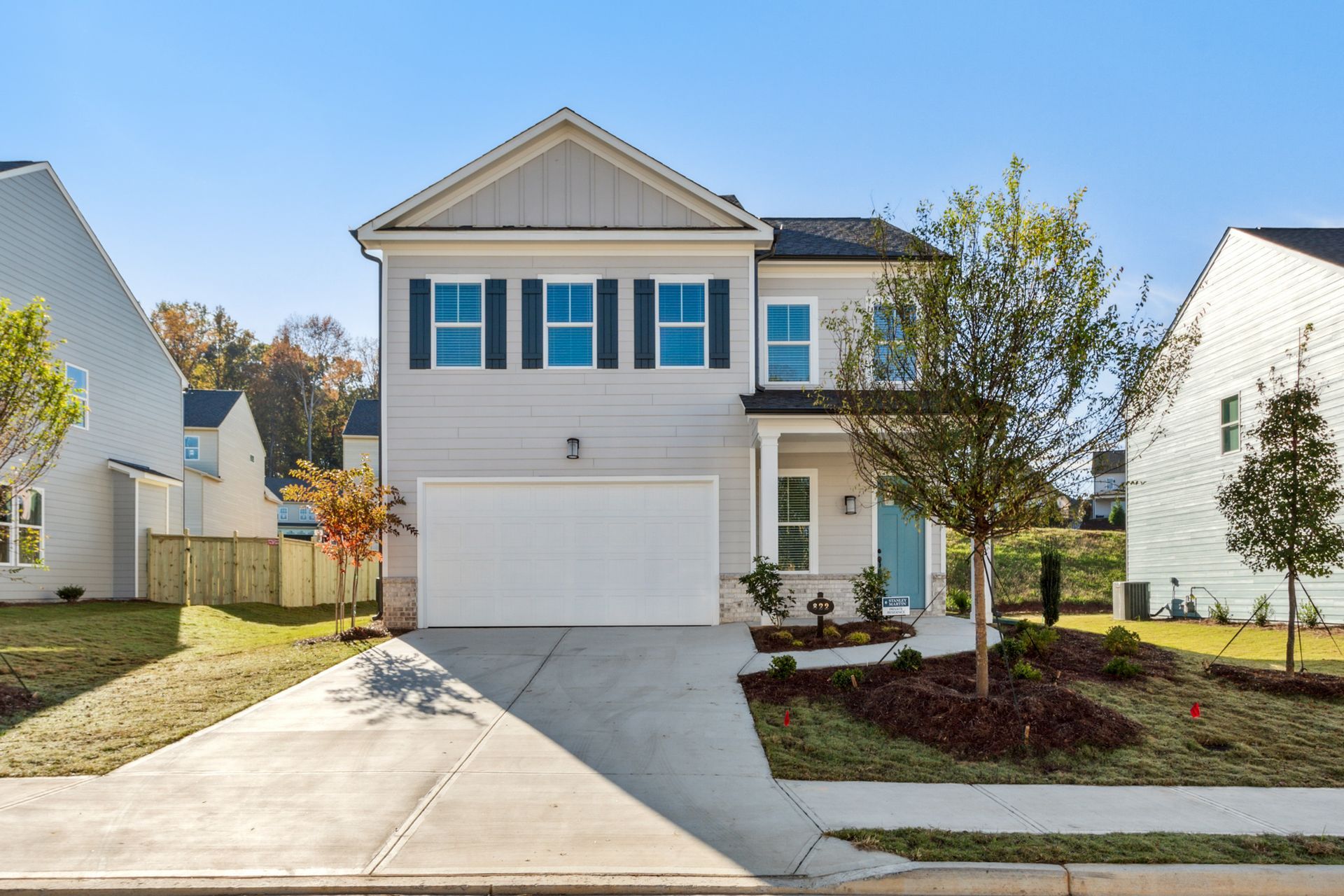
It's whether your home is positioned to compete successfully in the market that's available today.
When Would I Recommend Waiting Until Spring?
Waiting may make sense when the home requires additional preparation that could meaningfully improve its presentation or market position.
Perhaps the hardwood floors need refinishing, several rooms need painting, or staging would make a significant difference.
Maybe your outdoor living areas are a major selling feature and will present better in warmer weather.
Or perhaps your personal schedule makes selling during the holidays unnecessarily difficult.
If the financial cost of waiting is manageable and additional preparation could improve your outcome, spring may be a reasonable choice.
But I would still ask:
Are we waiting because we have a specific plan that could improve the result, or are we simply hoping spring buyers will pay more?
Those are two very different reasons.
A Third Option: Prepare Now and Decide on the Launch Date Later
For homeowners who aren't under immediate pressure, this is often the approach I recommend.
You don't have to choose a spring listing date today.
Instead, start preparing the home and reviewing the market now.
Identify necessary repairs, obtain estimates, declutter, and begin gathering property documentation.
At the same time, monitor buyer activity and competing listings.
Then reassess the market closer to the intended launch.
Sometimes a property becomes ready earlier than expected, and the market supports selling sooner.
Other times waiting allows the home to be better prepared and more competitive.
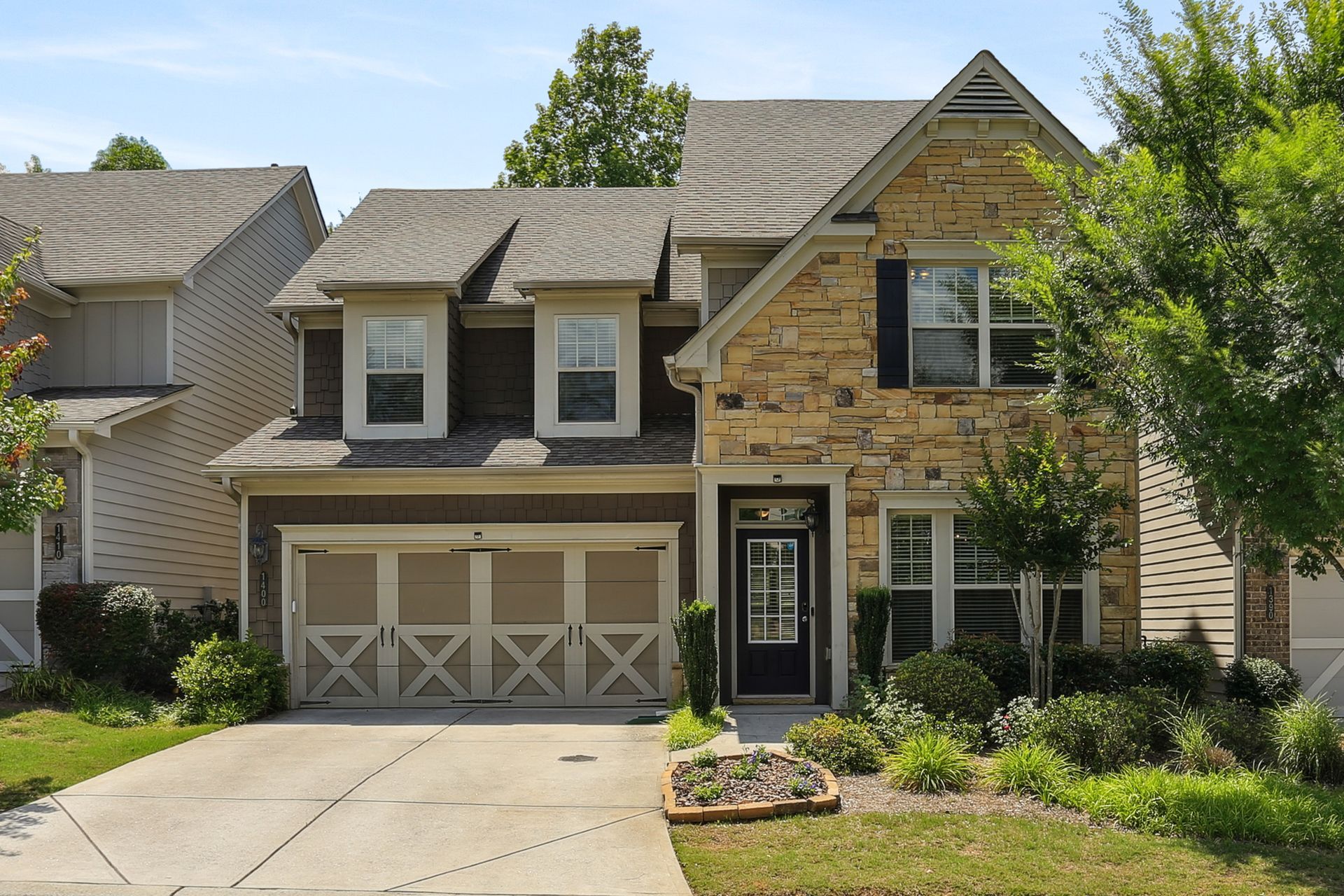


The advantage is flexibility. You're making a decision based on current information rather than committing to a season months in advance.
My Sell-Now-or-Wait Decision Framework
When a homeowner asks whether they should sell now or wait until spring, I want to evaluate five areas.
| What I Review | What We Need to Know |
|---|---|
| Current competition | How many comparable homes are available, and how does your property compare? |
| Buyer demand | Are similar homes going under contract, sitting on the market, or reducing prices? |
| Home readiness | Would additional preparation materially improve the home's presentation or market position? |
| Financial impact | What is the incremental cost of waiting, and what might it mean for net proceeds? |
| Your next move | How will timing affect your purchase, relocation, financing, or personal plans? |
From there, I would compare three strategies.
None of these options is automatically best.
The recommendation should be based on your property, your neighborhood, and your goals.
Frequently Asked Questions
Final Thoughts: Don't Wait for a Season. Wait for the Right Opportunity.
Spring has traditionally been a popular time to sell a home, and there are good reasons for that.
But today's real estate decisions require more than following traditional seasonal patterns.
During 2026, North Atlanta communities experienced different pricing trends, while broader Metro Atlanta sales activity softened and inventory increased.
Heading into 2027, economists anticipate modest national price growth and continued mortgage-rate pressure.
That doesn't mean you should rush to sell.
And it doesn't mean waiting is the wrong decision.
It means your timing should be based on the opportunities available to your particular home, the financial implications of waiting, and what you're trying to accomplish next.
Some homeowners will benefit from selling this fall or winter.
Others will be better positioned after additional preparation or a spring launch.
The important thing is to understand the difference before making a decision.
Should You Sell Now or Wait Until Spring 2027?
If you're considering selling your home in Alpharetta, Milton, Roswell, Johns Creek, Cumming, Suwanee, or the
surrounding North Atlanta area, I'd be happy to help you evaluate both options.
My Sell-Now-versus-Wait Review looks at your home's competition, recent buyer activity, likely market position, preparation needs, and the financial impact of your timing.
The goal is to help you decide when and how to sell based on real information, not assumptions about the season.
Text
SELL to
404-436-2128 to start the conversation.

Irina Averyanov
Keys to North Atlanta | Keller Williams North Atlanta
404.434.4454
irina.a@kw.com
www.keystonorthatlanta.com
Market information current as of October 2026. National forecasts are estimates, not guarantees. Local monthly median-price changes should not be interpreted as individual property appreciation. Seller outcomes depend on property characteristics, market conditions, pricing, preparation, and transaction terms.