


Why Buyers Walk Away From Homes They Actually Like
The North Atlanta “Almost Perfect” Home Problem
A home can look beautiful online, receive good showing activity, and still fail to create the offer activity sellers expected.
That can feel confusing.
The photos looked strong.
The neighborhood is desirable.
The home is clean and well cared for.
The price may not seem unreasonable.
So why would buyers still hesitate?
In today’s North Atlanta market, the answer is often simple:
Buyers may like the home, but one unresolved objection makes them pause.
That objection could be price compared to condition, a confusing layout, an awkward lot, older systems, road noise, a dark interior, deferred maintenance, or unanswered questions about the home.
This is what I call the “almost perfect” home problem.
The home is not bad.
It may actually be very good.
But one issue creates just enough hesitation that buyers slow down, keep looking, or wait for a price reduction.
If you are thinking about selling your home in Alpharetta, Milton, Johns Creek, Roswell, Cumming, Suwanee, Woodstock, Canton, Marietta, or the surrounding North Atlanta area, this is important to understand before you list.
Buyers Do Not Average Out Problems the Same Way Sellers Do
Sellers often look at a home as a whole.
They may think:
“The kitchen is a little dated, but the backyard is amazing.”
“The carpet needs to be replaced, but the basement is finished.”
“The driveway is steep, but the neighborhood is excellent.”
All of that may be true.
But buyers do not always process the home that way.
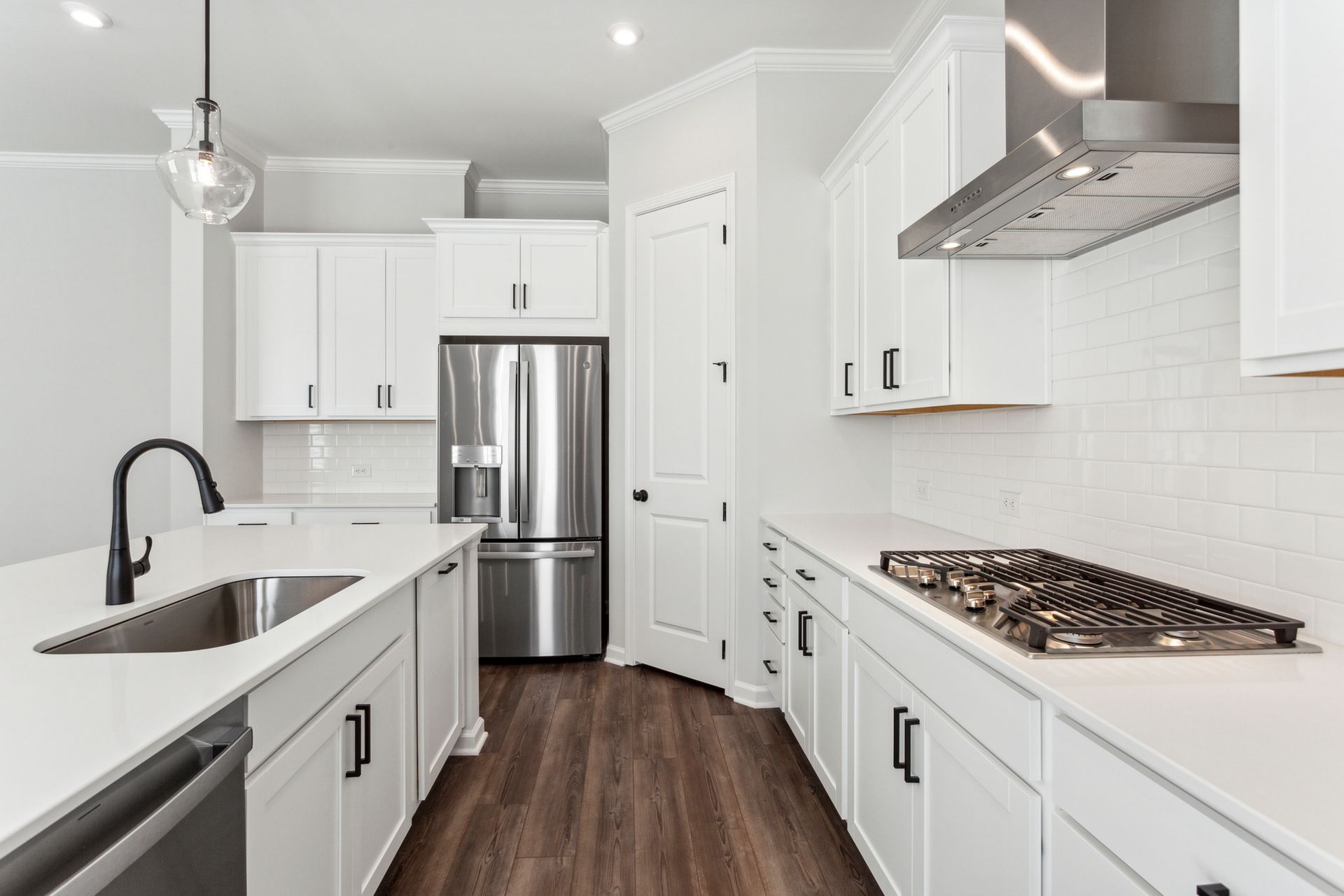
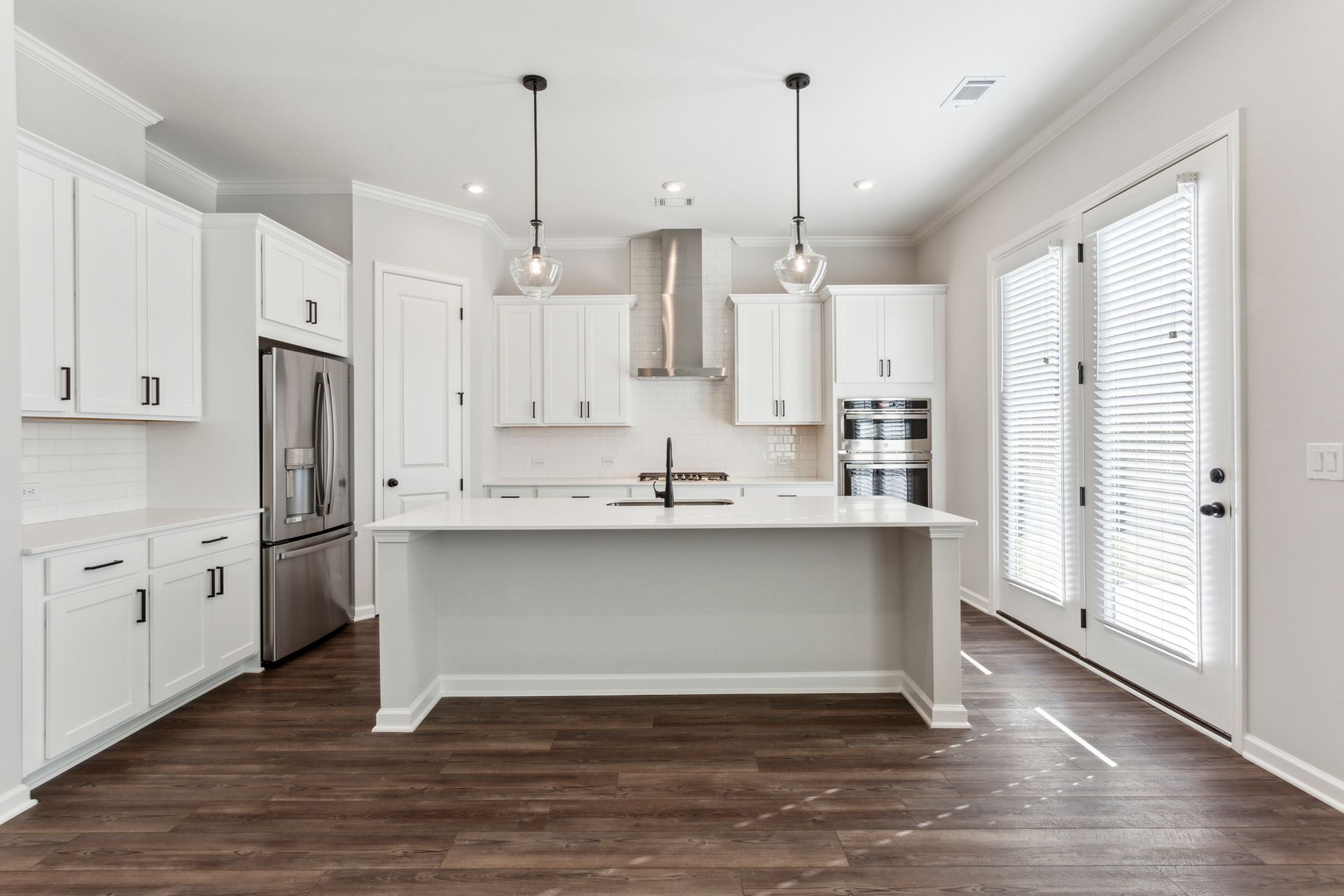
Buyers are usually asking a different question:
“Do I feel confident moving forward at this price?”
If one issue feels expensive, uncertain, or emotionally overwhelming, the buyer may hesitate even if they like the home overall.
That is why a nice home can still sit.
Nice is good.
But nice does not automatically create urgency.
Why This Matters More in Today’s Market
Buyers are still buying in North Atlanta.
But they are comparing harder.
They are looking at the full picture:
- Monthly payment
- Interest rate
- Taxes
- Insurance
- HOA fees
- Commute
- School path
- Condition
- Repairs
- Future maintenance
- Cash needed after closing
When a buyer sees a home that is almost right, but one concern creates doubt, they may not rush to write an offer.
They may say:
“Let’s keep this one in mind.”
“It’s nice, but I want to see what else is out there.”
“If they reduce the price, maybe we’ll come back.”
That is feedback.
And for sellers, that feedback is much better to identify before the home goes live.
Once your home is on the market, the first week of buyer behavior becomes market data. If the pricing, preparation, or positioning is off, that data can become expensive.
Competitive Pricing Does Not Mean Giving the Home Away
One important thing I have noticed several times recently is that homes launched with very competitive pricing can still achieve strong results.
These homes were not priced recklessly low.
They were not desperate.
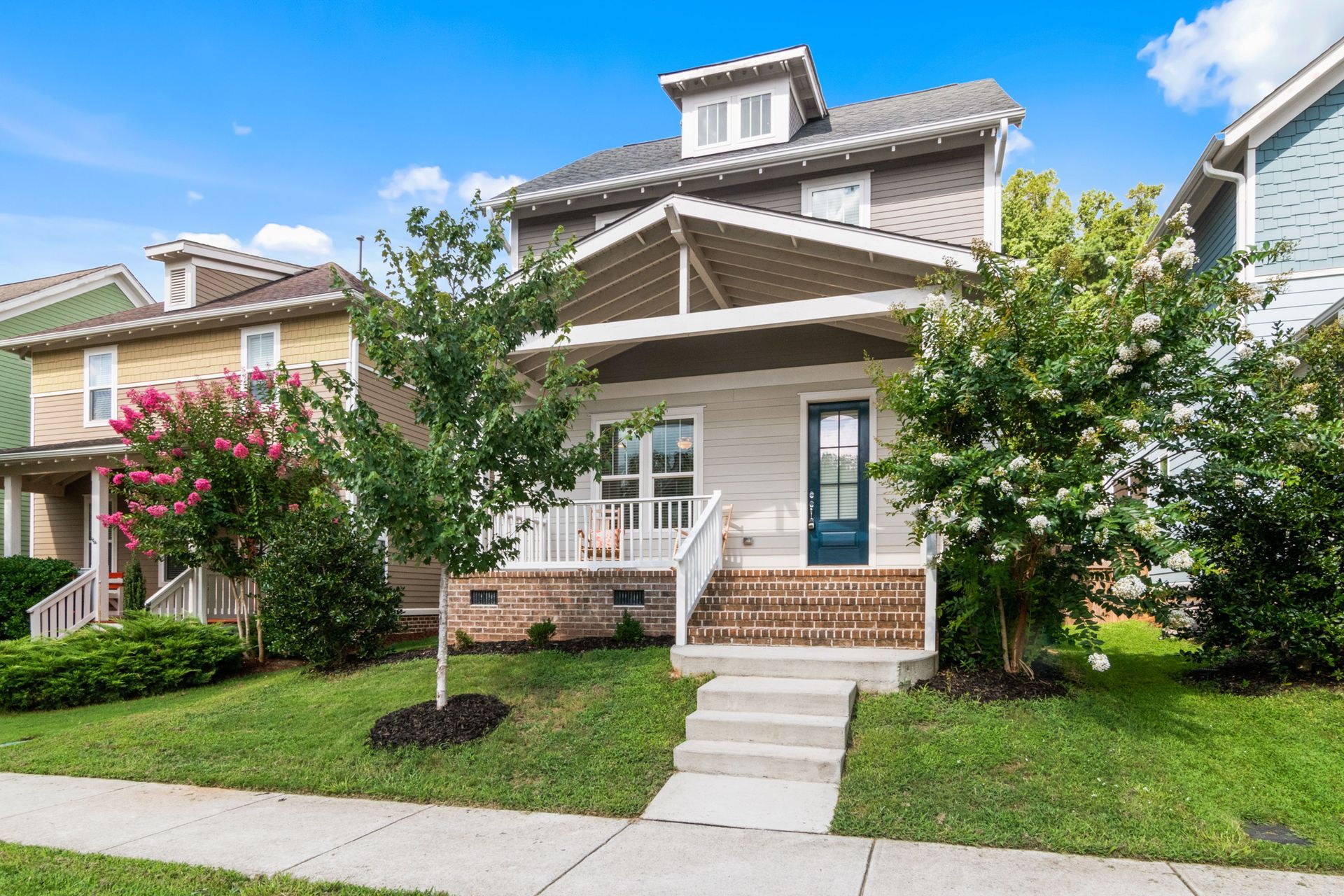
They were priced at the sharp edge of the realistic value range.
And because of that, they created demand.
They attracted more showings.
They created urgency.
They gave buyers a reason to act.
And in the end, they still sold around true market value.
That is an important distinction.
Competitive pricing does not always mean leaving money on the table.
Sometimes it means positioning the home so buyers pay attention before they mentally move on.
The mistake is when sellers price based on hope, emotion, or what they need to get instead of where buyers are actually responding.
In this market, buyers reward clarity.
When price, condition, and presentation make sense together, the home feels like an opportunity.
When one of those pieces feels off, buyers hesitate.
Objection #1: Price and Condition Do Not Match
One of the most common reasons buyers walk away from a home they like is that the price and condition do not align.
This does not mean the home is bad.
It may be a very nice home.
But if the home is priced like a fully updated, move-in-ready property, buyers expect it to feel that way.
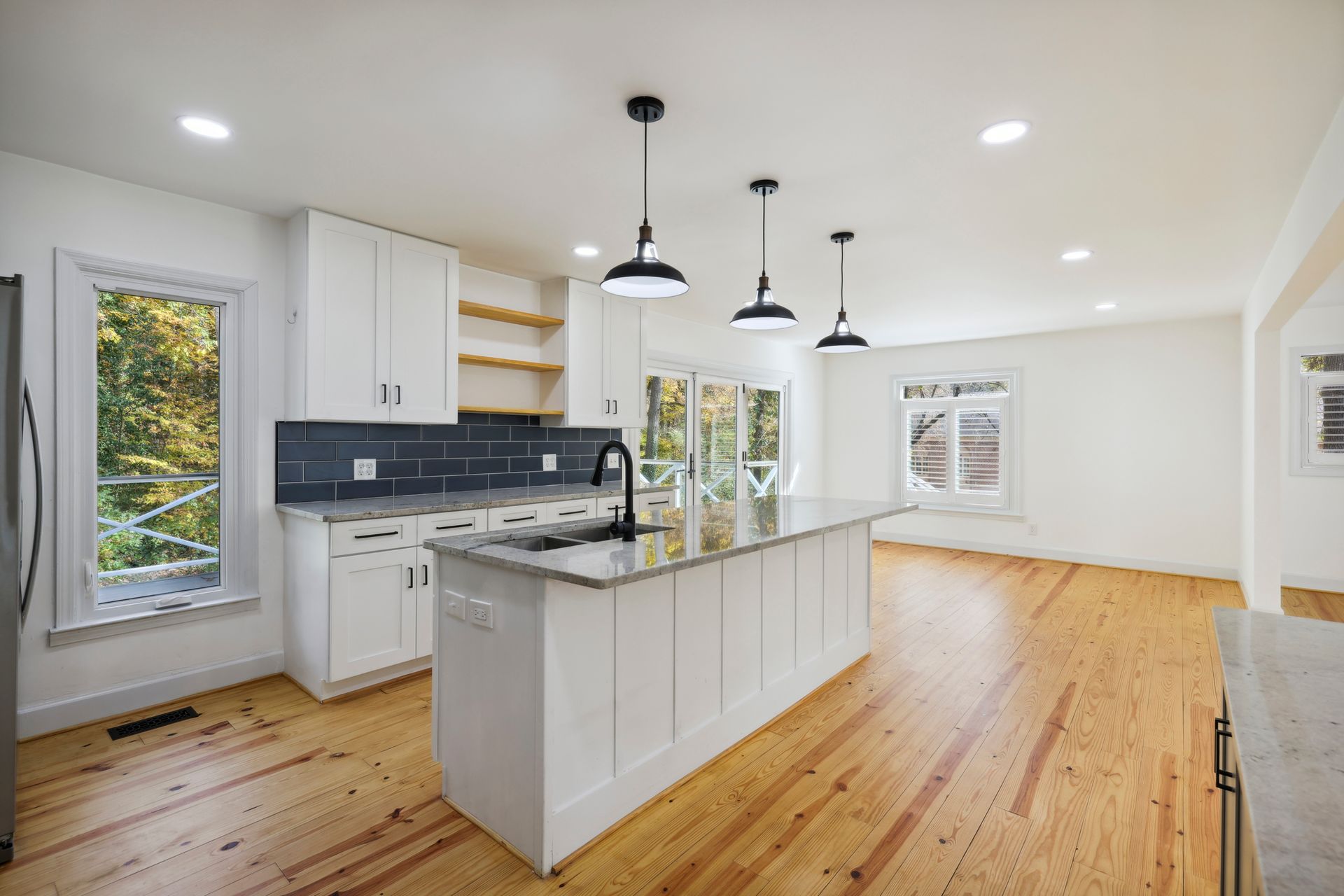
If buyers walk in and see older carpet, tired paint, dated lighting, original fixtures, worn flooring, older windows, or maintenance items that have been delayed, they feel the mismatch quickly.
They may not say, “This home is overpriced.”
Instead, they may say:
“It’s nice, but we would have to do too much.”
“For this price, I expected it to be more updated.”
“I like it, but I’m not sure.”
That hesitation is the signal.
Sometimes the solution is not a full renovation.
It may be fresh paint, better lighting, cleaner presentation, updated hardware, improved landscaping, small repairs, or a pricing strategy that reflects the condition honestly.
The point is simple:
If your home is priced like it is fully updated, but buyers see projects everywhere, they feel the mismatch immediately.
Objection #2: The Layout Creates a Question
Layout can be one of the hardest objections for sellers to see because sellers are used to living in the home.
They already know how each room works.
Buyers do not.
Buyers walk in and try to imagine their own daily life.
They are asking:
- Where would we gather?
- Where would the kids do homework?
- Where would guests stay?
- Where would I work from home?
- Is there a bedroom on the main level?
- Does the kitchen connect to the living space?
- Is the basement actually usable?
- Is this formal dining room useful for the way we live?
- Can this home support our life Monday through Friday?
A home can have beautiful finishes and still feel confusing if the layout does not answer those questions.
For sellers, this is where staging and positioning matter.
Sometimes the layout is not actually the problem. The problem is that the layout was not explained well.
A room may need a clearer purpose.
Furniture may need to be rearranged.
Photos may need to show how spaces connect.
The listing description may need to explain the flexibility.
If buyers cannot picture how they would live in the home, they often move on to a home that feels easier to understand.
Objection #3: The Lot or Setting Creates Doubt
In North Atlanta, the lot and setting can strongly affect buyer confidence.
This may include:
- A sloped backyard
- A steep driveway
- A wooded lot
- Road noise
- A small backyard
- A retaining wall
- Drainage concerns
- Too much shade
- A yard that feels private but not usable
- A home that feels too close to neighbors for the price point
Buyers are not only buying the house.
They are buying how the property feels.
A Milton buyer may value privacy, acreage, and estate presence.
An Alpharetta buyer may prioritize convenience and low-maintenance outdoor space.
A Johns Creek buyer may care about neighborhood feel, backyard usability, and how the lot works for daily life.
A Cumming or Suwanee buyer may compare the lot, the commute, the county, and how much house they are getting for the money.
The same feature can be a benefit or an objection depending on the buyer pool.
A wooded backyard can feel peaceful to one buyer and too dark to another.
A large yard can feel amazing to one buyer and like too much maintenance to another.
That is why the marketing story matters.
If the lot gives privacy, explain the privacy.
If it is low-maintenance, position it that way.
If the outdoor space is best for quiet mornings, wooded views, or entertaining from the deck, show that clearly.
The key is not to ignore the likely objection.
It is to plan for it before buyers decide for you.
Objection #4: The Home Photographs Better Than It Feels
Professional photography is important.
But the in-person showing has to confirm the promise made online.
Sometimes a home photographs beautifully, but the real-life experience does not match.
A buyer clicks because the photos look strong.
They schedule a showing.
They walk in expecting one feeling.
But something feels off.
Maybe the home is darker than expected.
Maybe the rooms feel smaller.
Maybe the ceiling height feels lower.
Maybe there is a smell.
Maybe the flooring looks more worn in person.
Maybe the backyard looked more usable in photos than it feels in real life.
That gap between online expectation and in-person experience can hurt momentum.
Your first showing is online.
But the in-person showing has to confirm the promise.
The goal is not simply to get people through the door.
The goal is to attract the right buyers and make them feel confident enough to write an offer.
If the marketing overpromises and the home underdelivers, buyers lose trust.
And once buyers lose trust, they start looking for problems.
Objection #5: The Home Has Too Many Unanswered Questions
Another major reason buyers hesitate is uncertainty.
Sometimes buyers walk away because something important was not clear.
How old is the roof?
How old is the HVAC?
Was the basement finished properly?
Is the stucco synthetic or hardcoat?
Are there rental restrictions in the HOA?
Does the home feed into the school they think it does?
Is the backyard part of an easement?
Are there drainage concerns?
Was that addition permitted?
Are there service records?
Are there HOA rules that limit fences, rentals, parking, or exterior changes?
These questions matter because buyers are trying to reduce risk.
Relocation buyers are especially sensitive to this.
If someone is moving from another state and trying to choose between Alpharetta, Milton, Johns Creek, Cumming, Suwanee, or Woodstock, they already have a lot to figure out.
They are learning the area.
They are comparing schools.
They are checking commute.
They are trying to understand taxes and county lines.
So when the home itself creates unanswered questions, it can feel like too much.
When buyers do not understand something, they often assume risk.
And when they assume risk, they either offer less, ask for more, or walk away.
Before listing, sellers should gather service records, improvement details, HOA documents, disclosures, and any information that helps reduce uncertainty.
A clear listing creates confidence.
A confusing listing creates hesitation.
The Biggest Seller Mistake: Assuming “Nice” Is Enough

The biggest mistake sellers make with an almost perfect home is assuming that nice is enough.
Nice matters.
Clean matters.
Good location matters.
But buyers need more than that.
They need to understand why this home makes sense at this price, in this neighborhood, compared to the other homes they are seeing.
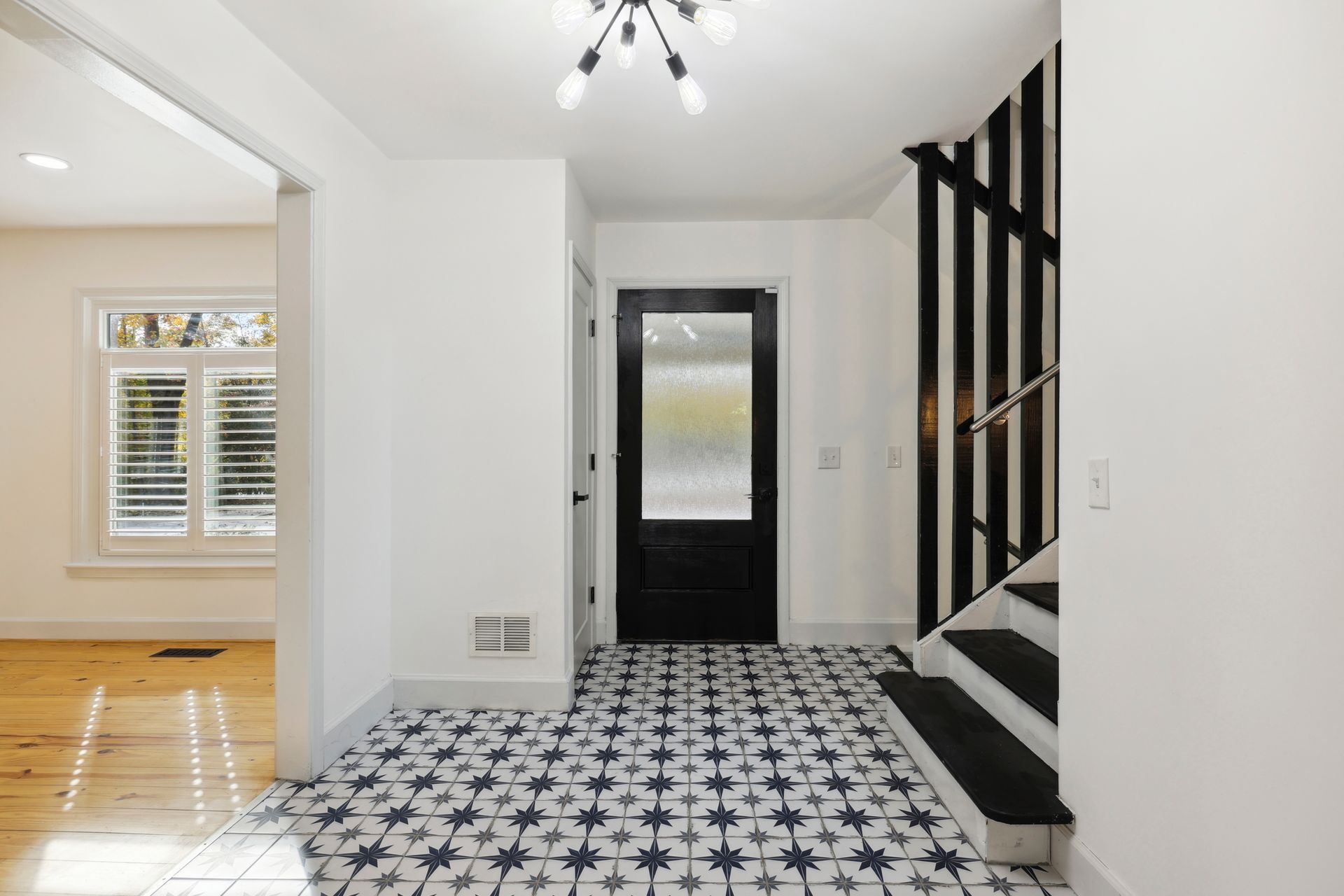
Before listing, a seller should know:
- What will buyers love immediately?
- What will buyers question?
- What will buyers compare this home against?
- What does the active competition look like?
- What will the photos communicate?
- What will the first showing feel like?
- What is the likely objection?
- Can we fix it?
- Can we explain it?
- Should we price for it?
- Should we reposition the home, so the right buyer understands the value?
That work should happen before the home hits the market.
Once buyers start giving feedback, the market is already speaking.
And sometimes that feedback is expensive.
How a Strategic Equity Audit Helps
The solution is not to start with random repairs.
The solution is to start with an audit.
A Strategic Equity Audit looks at your home the way buyers will look at it before the home goes live.
That includes:
- Current competition
- Recent comparable sales
- Buyer demand in your price range
- Condition compared to the price
- Likely buyer objections
- Prep items worth doing
- Prep items to skip
- Marketing story
- Neighborhood positioning
- School path and commute considerations
- Timing strategy
- Estimated net
The question is not only:
“What is my home worth?”
The better question is:
“What would need to be true for buyers to choose my home over the competition?”
That is the difference between guessing and preparing.
Local Examples Across North Atlanta
A home in Alpharetta may look beautiful, but if buyers are paying a premium for convenience, updates, and lifestyle, they may hesitate if the home feels dated compared to nearby competition.
A home in Milton may have privacy and land, but if the marketing does not explain the setting, estate feel, or scarcity, buyers may not fully understand why the home commands a premium.
A home in Johns Creek may be in a strong school path and established neighborhood, but if the home has older systems or dated finishes, buyers may compare it to newer or more updated options and pause.
A home in Cumming, Suwanee, Woodstock, or Canton may offer more space or newer construction, but buyers may still compare commute, taxes, school path, county, and daily convenience.
Every home has a story.
The question is whether the story is clear enough for buyers to feel confident.
Watch: Why Buyers Walk Away From Homes They Love
Sometimes, buyers don't walk away because they dislike the home—they walk away because something changes during the buying process. In this video, we break down the most common reasons buyers decide not to move forward, from inspection surprises and financing concerns to emotional hesitation and market uncertainty. Understanding these deal-breakers can help both buyers and sellers make smarter decisions and keep transactions on track. Watch below for practical insights that can save you time, stress, and costly mistakes.
Final Thoughts
Your home does not have to be perfect to sell well.
Most homes are not perfect.
But buyers need to understand the value clearly enough to move forward.
If one issue creates hesitation, the solution may be to fix it, explain it, price for it, or reposition the home so the right buyer sees the opportunity.
That is why preparation matters before the launch.
If you are thinking about selling your home in North Atlanta and want to understand how buyers may actually respond to it, text AUDIT to 404-436-2128.
I’ll prepare a Strategic Equity Audit so you can understand your home’s likely value, current competition, buyer objections, prep opportunities, and positioning before you go on the market.
Irina Averyanov
Keys to North Atlanta | Keller Williams North Atlanta
404.434.4454
irina.a@kw.com
www.keystonorthatlanta.com