

Moving to North Atlanta? 7 Things to Know Before Choosing a Suburb
If you’re thinking about moving to Atlanta — especially North Atlanta — you’ve probably already spent hours online.
You may have searched school ratings, compared home prices, looked at commute maps, read online forums, and saved homes in Alpharetta, Milton, Johns Creek, Roswell, Cumming, Suwanee, or Sandy Springs.
And maybe after all that research, you still feel confused.
That’s completely normal.
From the outside, many North Atlanta suburbs can look very similar. Beautiful homes. Strong schools. Parks. Shopping. Restaurants. Family-friendly neighborhoods.
But once you live here, you realize these communities are very different.
The commute is different.
The school feeder patterns are different.
The lifestyle is different.
The taxes can be different.
The resale value can be different.
And the wrong fit can affect your family’s daily life more than people realize.
As someone who relocated to Alpharetta with my own family in 2013, I understand how overwhelming it can feel to choose the right place when you are starting over. Choosing a home matters, of course — but choosing the right lifestyle, school path, commute, and community is what helps a family truly feel settled.
Here are seven things to understand before choosing a North Atlanta suburb.
1. North Atlanta Is Not One Market
One of the biggest mistakes relocating buyers make is treating North Atlanta as one big market.
It is not.
Alpharetta, Milton, Johns Creek, Roswell, Cumming, Suwanee, and Sandy Springs may all show up in your home search, but they offer very different lifestyles.
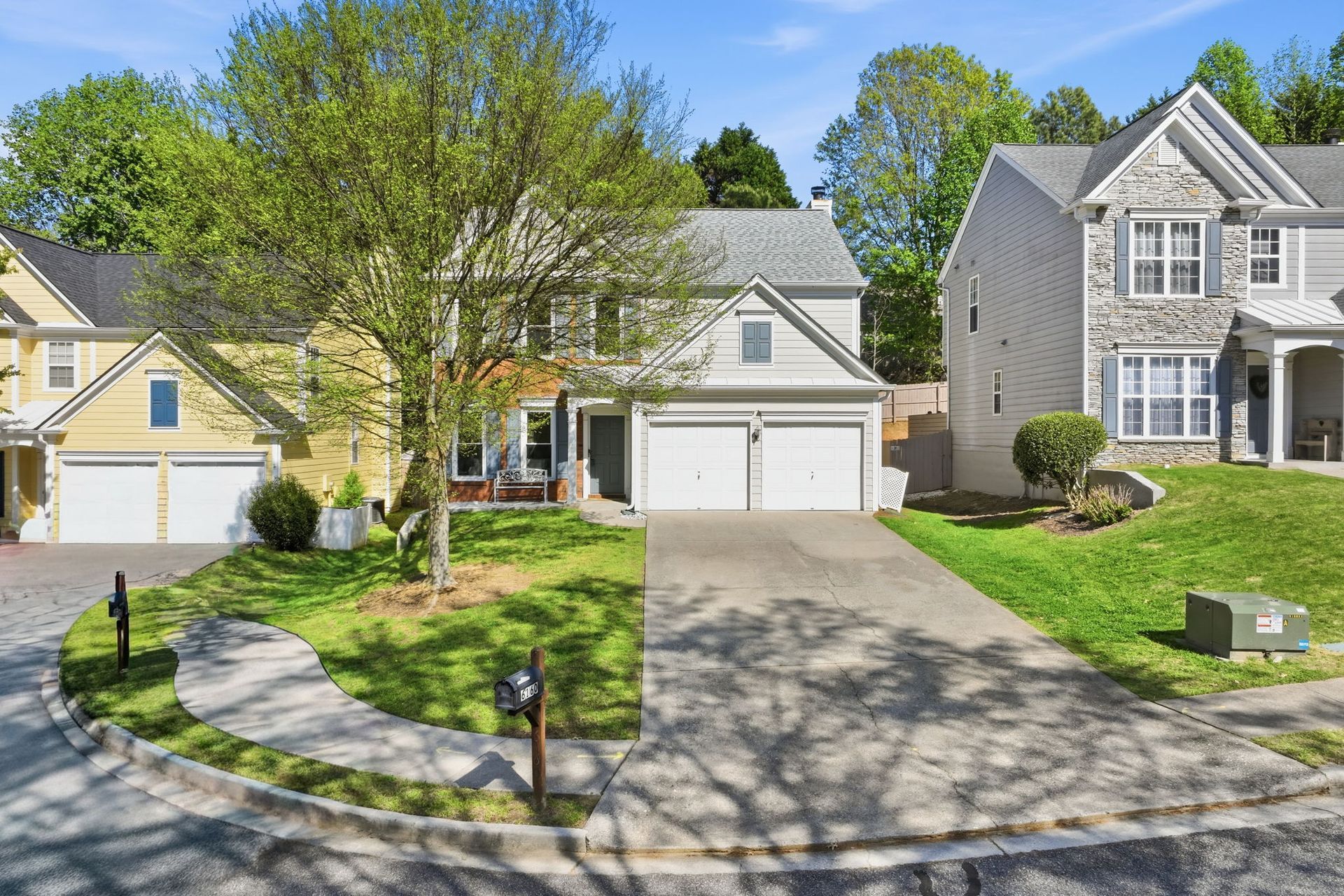
Alpharetta is polished, active, and convenient. It offers strong schools, Avalon, downtown Alpharetta, great restaurants, shopping, corporate relocation demand, and a strong resale market.

Milton feels more spacious, private, and estate-driven. It has larger lots, an equestrian influence, a quieter pace, and a more rural-luxury feel.

Johns Creek is highly residential and school-driven. It is popular with families who want established neighborhoods, strong schools, swim-tennis communities, and a quieter suburban environment.


Cumming, especially South Forsyth, often gives buyers more space and newer homes for the money. But commute, lifestyle, and convenience vary greatly depending on where you buy.
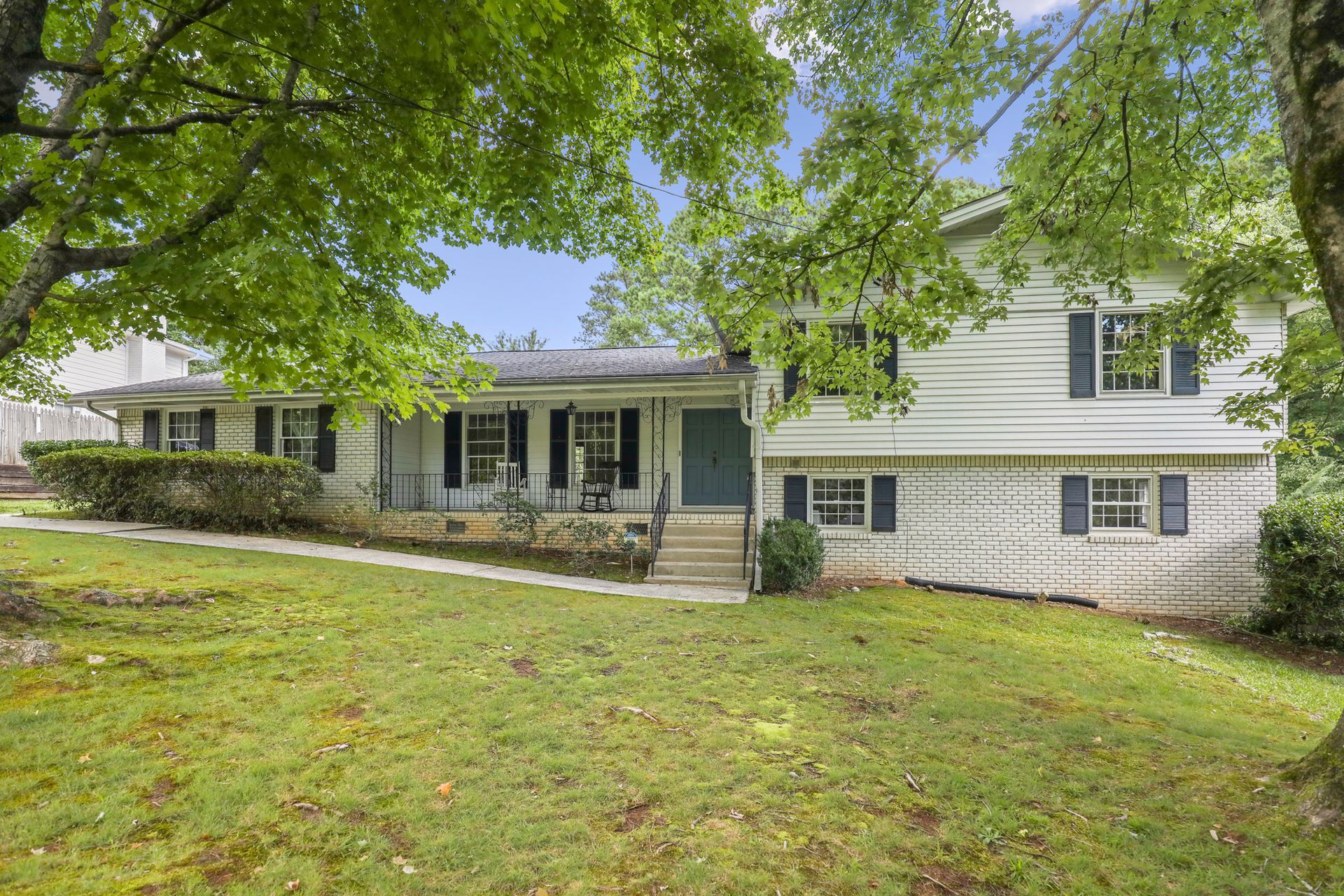
Suwanee is known for strong schools, parks, community events, and a very family-oriented feel.
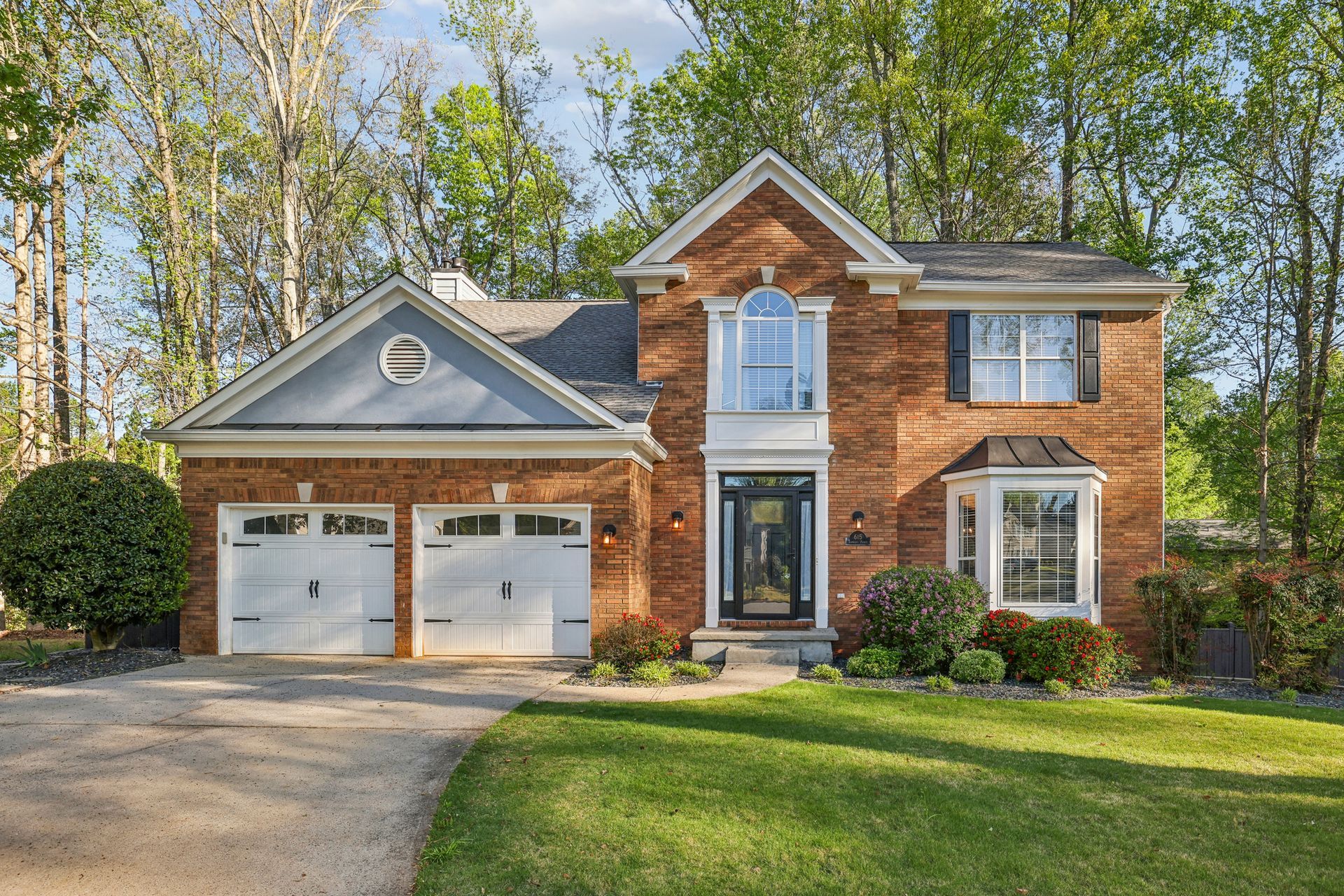
Sandy Springs offers stronger access to Atlanta, Buckhead, hospitals, business centers, and city conveniences, but pricing, lot sizes, and lifestyle expectations are different from the suburbs farther north.
So before asking, “What is the best suburb?” ask a better question:
Best for what lifestyle?
2. Don’t Only Look at School Ratings
School ratings are usually one of the first things relocating families check.
They can be helpful as a starting point, but they do not tell the full story.
In North Atlanta, you need to understand the full school feeder pattern: elementary school, middle school, and high school.
Two homes can be only a few minutes apart but feed into different school paths. That can affect buyer demand, resale value, daily routines, and how families compare homes.
Also, the highest-rated school on paper may not always be the best fit for your child.
Some families want a highly competitive academic environment.
Some care more about arts, music, sports, special programs, or community feel.
Some want a school where their child can integrate more easily after moving from another state or country.
When evaluating schools, look beyond the rating. Consider the feeder pattern, school culture, commute to school, after-school activities, and whether the full path fits your child and your family.
For homeowners thinking about selling, this is important too. Relocating buyers are not just buying a house. They are often buying the full education path.
3. The Commute Can Change Everything
On a map, everything can look close.
Alpharetta to Buckhead.
Milton to Midtown.
Cumming to Sandy Springs.
Johns Creek to Perimeter.
Roswell to the airport.
But the actual commute depends on your exact neighborhood, the nearest GA-400 exit, time of day, school traffic, road patterns, and whether you commute every day or only occasionally.
A Sunday afternoon GPS search does not tell you what Tuesday morning feels like.
If you need to commute to Midtown, Buckhead, Perimeter, the airport, or another major employment center, test the route during real commute hours before deciding where to buy.
For some families, living farther north is absolutely worth it because they work from home and want more space, stronger neighborhood amenities, or a quieter lifestyle.
For others, that same location may become frustrating if they spend too much time in the car.
The house may be beautiful. But if the commute takes away your evenings, the lifestyle may not feel as good after six months.
4. County Lines and Taxes Matter
Relocating buyers often compare homes by purchase price, but that is only one part of the cost.
In North Atlanta, you may be comparing homes across Fulton, Forsyth, Gwinnett, Cherokee, or Cobb County.
That matters because property taxes, exemptions, school systems, services, and long-term holding costs can change when you cross from one county into another.
For example, a buyer may compare a home in Alpharetta with a home in Cumming and focus only on the home price. But the monthly cost may look different once you include property taxes, HOA fees, insurance, commute costs, and lifestyle expenses.
Do not compare homes only by purchase price.
Compare the real monthly and long-term cost of living there.
This is especially important for buyers who may eventually keep the home as a rental, downsize, retire, or relocate again.
5. HOA and Leasing Rules Can Affect Your Future Options
This may not be the most exciting part of buying a home, but it is very important.
Many relocating buyers think, “If we get transferred again, we can always rent this home out.”
Not always.
Some neighborhoods have rental restrictions or leasing caps. If the HOA limits how many homes can be rented at one time, you may not be able to convert the property into a rental when you need to.
That matters if you are a corporate relocator, investor-minded buyer, or someone who wants flexibility.
Before buying, review the HOA documents, rental restrictions, leasing caps, and approval process.
A beautiful home with strict rental rules may still be the right purchase. But you should know the rules before you buy — not after your plans change.
6. Local Construction Details Matter
Homes in North Atlanta may have construction features that are unfamiliar if you are moving from another state.
Depending on the area, age, and price point, you may see homes with basements, slab foundations, crawlspaces, septic systems, synthetic stucco, hardcoat stucco, retaining walls, older roofs, or complex drainage conditions.
None of these are automatically bad.
But they need to be understood.
For example, in some higher-end neighborhoods, a basement may be expected by many buyers. In other areas or price points, a slab home may be perfectly normal.
Stucco is another example. Some buyers hear the word “stucco” and immediately panic. But there is a difference between synthetic stucco and hardcoat stucco, and each requires the right inspection, maintenance history, and understanding.
The point is not to be afraid.
The point is to know what you are buying, how it affects maintenance, and how it may affect resale later.
A strong inspection strategy matters, especially when you are buying from out of state and may not know what is common in Georgia.
7. Don’t Choose Only the House — Choose the Life Around the House
This may be the most important point.
Do not choose only the house.
Choose the life around the house.
Ask yourself:
- Where will you buy groceries?
- How far are the kids’ activities?
- Where will you go for dinner?
- How long will it take to get to work?
- Can your kids make friends in the neighborhood?
- Will you feel connected or isolated?
- Do you want walkability, privacy, amenities, land, convenience, or a quieter pace?
A beautiful house in the wrong daily routine can become frustrating very quickly.
But the right location — even if the home itself is not perfect — can make your life feel easier, more connected, and more sustainable.
That is why relocation should not start with homes.
It should start with lifestyle.
What This Means for North Atlanta Sellers
If you already own a home in North Atlanta and are thinking about selling, this information matters for you too.
These are the exact questions relocating buyers ask before choosing a home.
They are comparing:
- School paths
- Commute patterns
- County taxes
- HOA flexibility
- Neighborhood lifestyle
- Local construction details
- Long-term resale value
That means marketing a home to relocation buyers requires more than saying, “beautiful kitchen” or “great backyard.”
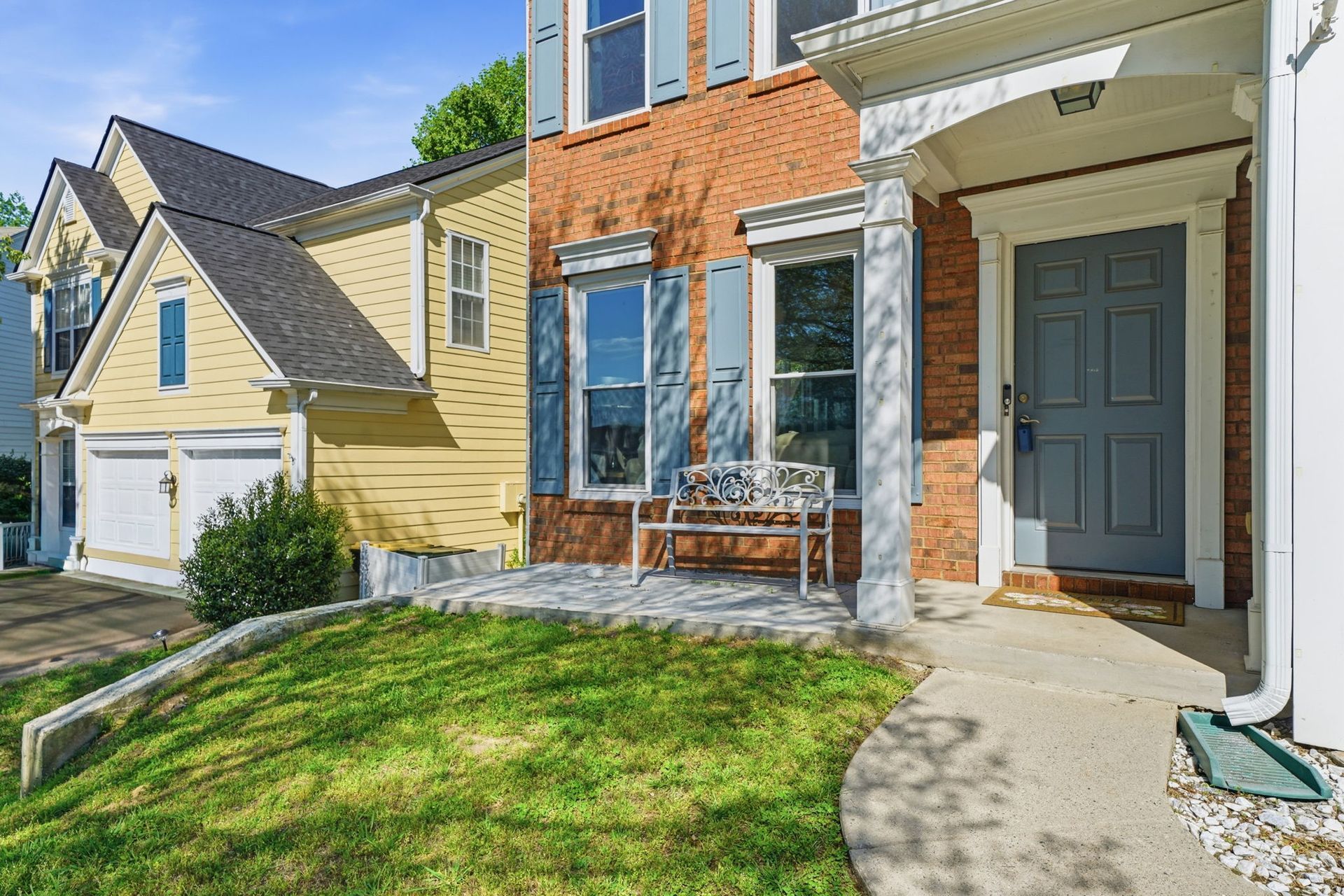
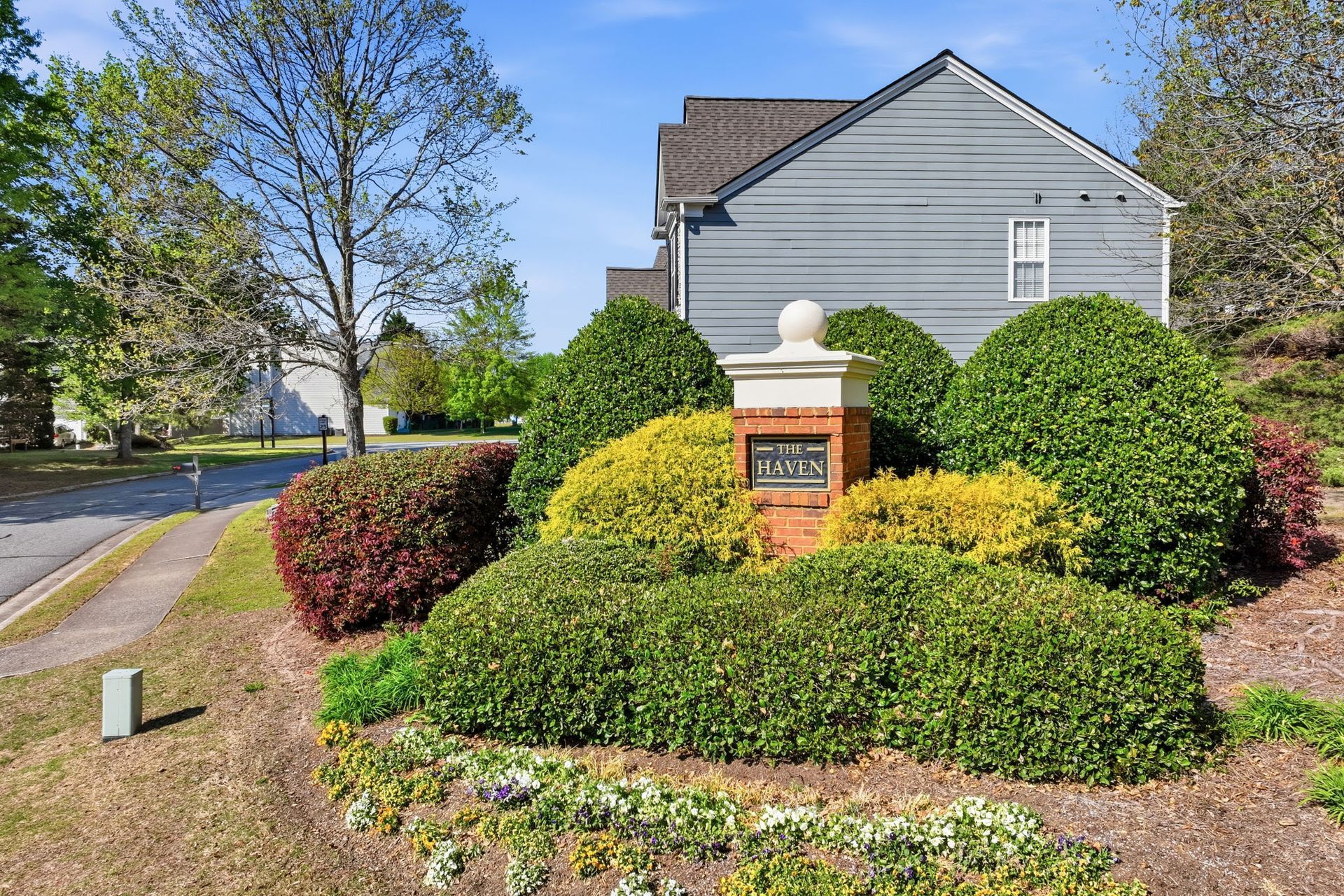
Your home needs to be positioned inside the full lifestyle decision.
- Why this neighborhood?
- Why this school path?
- Why this commute?
- Why this community?
- Why this value compared to the next suburb?
When sellers understand how relocating buyers think, they can position their home more strategically and attract stronger, better-informed buyers.
Final Thoughts
Moving to North Atlanta can be an incredible decision for your family.
The schools, communities, parks, restaurants, career opportunities, and family lifestyle are exactly why so many people choose to settle here.
But choosing the right suburb takes more than scrolling listings online.
You need to understand the lifestyle, commute, school path, taxes, HOA rules, construction details, and long-term resale potential before you decide.
The goal is not just to find a beautiful house.
The goal is to find the right life around that house.
FAQ: Moving to North Atlanta
1. What are the best suburbs in North Atlanta for families?
Some of the most popular North Atlanta suburbs for families include Alpharetta, Milton, Johns Creek, Roswell, Cumming, Suwanee, and Sandy Springs. Each offers a different lifestyle. Alpharetta is known for convenience and amenities, Milton for space and privacy, Johns Creek for schools and established neighborhoods, Roswell for charm and character, Cumming for value and newer homes, Suwanee for parks and family-friendly community events, and Sandy Springs for closer access to Atlanta.
2. Is Alpharetta or Milton better for families?
Alpharetta and Milton are both excellent options, but they feel very different. Alpharetta is more active, polished, and convenient, with access to Avalon, downtown Alpharetta, restaurants, shopping, and corporate relocation demand. Milton is more spacious, private, and estate-driven, with larger lots, equestrian influence, and a quieter pace. The better choice depends on whether your family values convenience and activity or privacy and space.
3. Is Johns Creek a good place to live?
Johns Creek is one of North Atlanta’s most popular residential communities, especially for families who prioritize schools, established neighborhoods, swim-tennis communities, and a quieter suburban lifestyle. It is not as walkable or entertainment-focused as Alpharetta or Roswell, but it is known for strong schools, family-oriented neighborhoods, and long-term resale demand.
4. Is Cumming cheaper than Alpharetta?
In many cases, Cumming — especially parts of Forsyth County — may offer more home, newer construction, or more space for the money compared to Alpharetta. However, buyers should not compare only the purchase price. Commute, property taxes, HOA fees, school zones, and daily lifestyle all affect the true cost and overall fit.
5. What should I know before moving to North Atlanta from out of state?
Before moving to North Atlanta, understand that the suburbs are not all the same. You should compare school feeder patterns, commute routes, county taxes, HOA rules, neighborhood lifestyle, construction details, and resale potential. A home may look perfect online, but the daily routine around that home is what determines whether the location truly works for your family.
6. How important are school feeder patterns in North Atlanta?
School feeder patterns are very important in North Atlanta. Many buyers focus only on school ratings, but the full path from elementary to middle to high school can affect buyer demand, resale value, and family lifestyle. Two homes only a few minutes apart may feed into different schools, so it is important to verify the complete feeder pattern before buying.
7. Is the commute bad from North Atlanta to Atlanta?
The commute depends on your exact location, time of day, and destination. A Sunday afternoon map search may look manageable, but a weekday morning commute to Midtown, Buckhead, Perimeter, or the airport can be very different. If commuting is part of your lifestyle, test the drive during real commute hours before choosing a neighborhood.
8. Which North Atlanta suburb is best for commuting to Atlanta?
For buyers who need frequent access to Atlanta, Buckhead, Perimeter, hospitals, or the airport, Sandy Springs and parts of Roswell may offer more convenient access than areas farther north. Alpharetta can work well depending on the GA-400 exit and work schedule. Milton, Cumming, and parts of Johns Creek may offer more space and neighborhood lifestyle, but commute times should be reviewed carefully.
9. Do county lines matter when buying in North Atlanta?
Yes. County lines can affect property taxes, school systems, exemptions, services, and long-term holding costs. Buyers may compare homes in Fulton, Forsyth, Gwinnett, Cherokee, or Cobb County. A slightly higher or lower purchase price does not tell the full story. It is important to compare total monthly and long-term costs.
10. Can I rent out my North Atlanta home if I relocate again?
Maybe, but it depends on the neighborhood and HOA rules. Some communities have rental restrictions or leasing caps. If you may relocate again or want the option to keep the home as a rental, review HOA documents and leasing rules before buying. Do not assume every home can automatically become a rental property.
11. Are stucco homes in North Atlanta a problem?
Not all stucco homes are a problem, but they need to be evaluated properly. North Atlanta has both synthetic stucco and hardcoat stucco homes, and the inspection strategy matters. Buyers should understand the type of stucco, maintenance history, moisture concerns, and resale impact before purchasing. A specialized inspection may be important.
12. Should I choose the house first or the suburb first?
When relocating to North Atlanta, start with the lifestyle and location first, then choose the home. Consider commute, schools, kids’ activities, grocery stores, restaurants, neighborhood feel, community connection, and long-term resale. A beautiful home in the wrong daily routine can become frustrating, while the right location can make your family’s life easier and more connected.
13. What does this mean if I’m selling a home in North Atlanta?
If you are selling a home in North Atlanta, understanding relocation buyers matters. These buyers are not only comparing bedrooms and finishes. They are evaluating school paths, commute, lifestyle, taxes, HOA flexibility, and resale value. Your home should be marketed within the full lifestyle decision, not just as a property with nice features.
14. How do I get help choosing the right North Atlanta suburb?
The best first step is to compare your lifestyle needs with the right local data. Look at schools, commute, budget, home style, taxes, neighborhood amenities, and future resale. For a personalized starting point, text RELOCATE to 404-434-4454 to request the North Atlanta Relocation Guide.
Watch: Moving to North Atlanta? What You Need to Know
Still deciding which North Atlanta suburb is the right fit for your lifestyle? This video provides additional insights into the area's most popular communities, including factors like schools, commute times, neighborhood feel, and local amenities. Watch below to get a better understanding of what makes each suburb unique and help narrow down your search before making a move.
Thinking About Relocating to North Atlanta?
Relocating isn’t just about picking a suburb — it’s about understanding how schools, commute patterns, taxes, lifestyle, and real estate value all connect before you make a long-term decision.
I created a North Atlanta Relocation Guide to help you compare the key differences between Alpharetta, Milton, Johns Creek, and surrounding suburbs so you can move with clarity, not guesswork.
If you already own a home in North Atlanta and are considering selling, this is the same relocation-driven strategy we use to position homes for out-of-state buyers and high-intent move-ins.
Irina Averyanov
Keys to North Atlanta | Keller Williams North Atlanta
Helping families buy, sell, and relocate with clarity, strategy, and confidence.
Serving Alpharetta, Milton, Johns Creek, Roswell, Cumming, Suwanee, Sandy Springs, and surrounding North Atlanta communities.
404.434.4454
irina.a@kw.com
www.keystonorthatlanta.com