


What Buyers Say After They Leave the Showing
The Buyer Feedback North Atlanta Sellers Should Understand
When buyers walk through a home, sellers often imagine they are focused on the big things:
The number of bedrooms.
The kitchen.
The backyard.
The school district.
The price.
And of course, those things matter.
But after showing homes for years in North Atlanta, I can tell you something important:
- Buyers often reveal their real objections after they leave the showing.
- Not always while they are standing in the kitchen.
- Not always in front of the listing agent.
- Not always when they first walk through the door.
The real reaction often happens in the driveway, in the car, on the way to the next home, or later that evening when they start comparing.
That is where the truth comes out.
And for sellers, that feedback is valuable.
Because buyer feedback is not personal.
It is market data.
Buyers Usually Compare After the Showing
Most buyers do not look at one house in isolation.
They compare.
They compare the home they just saw to the one they toured earlier that day.
They compare it to the home with the updated kitchen.
They compare it to the home with the better backyard.
They compare it to the home with lower HOA fees, better light, newer systems, or a more convenient commute.
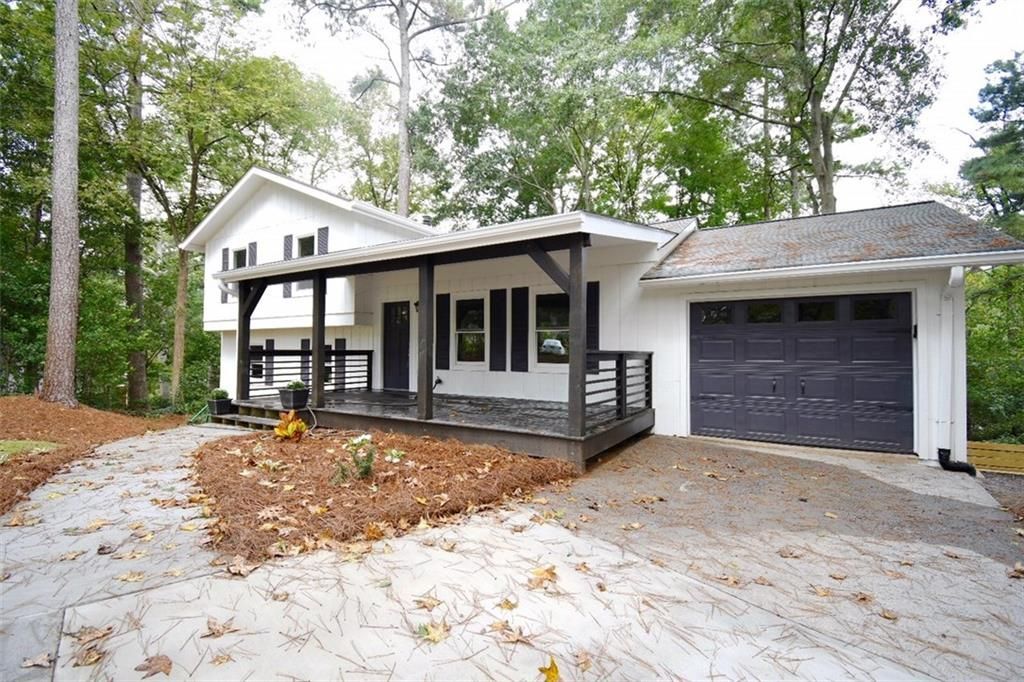
That is why a buyer may say:
“I liked it, but…”
That “but” matters.
It usually means the home had something positive, but one concern stopped the buyer from feeling confident enough to write an offer.
In today’s North Atlanta market, buyers are more careful. They are looking at monthly payment, taxes, insurance, condition, repairs, commute, school path, and how much money they may need after closing.
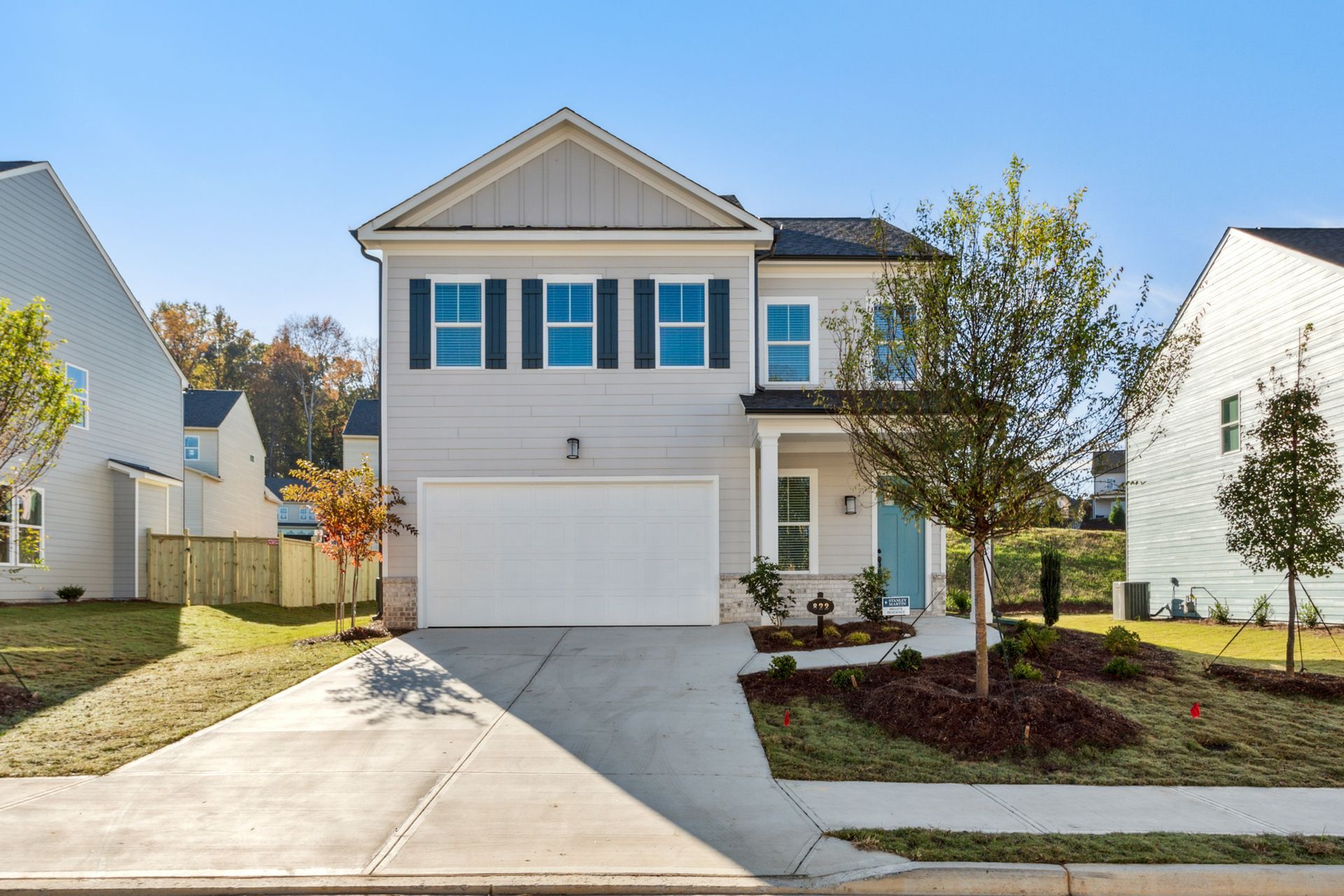
So when buyers leave a showing and start comparing, they are not only asking:
“Did we like the house?”
They are asking:
“Does this home make sense compared to the other options?”
That is the question sellers need to understand.
“It’s Nice, But It Needs Too Much Work”
This is one of the most common comments buyers make after a showing.
“It’s nice, but it needs too much work.”
Sometimes the work is obvious:
- Carpet.
- Paint.
- Old light fixtures.
- Outdated bathrooms.
- A worn deck.
- An older roof.
- An older HVAC system.
- Deferred maintenance.
But sometimes the work is not actually huge.
It just feels like too much because the price does not match the condition.
When buyers are paying today’s prices with today’s interest rates, they often do not want to immediately spend more money after closing.
They may be able to afford the home, but they are asking:
“How much will this cost us after we move in?”
That is why price and condition must work together.
A home does not have to be perfect.
But if buyers feel that the home is priced like a fully updated property while still requiring a list of projects, they hesitate.
“The Photos Looked Better Than the House Felt”
This one is painful, but important.
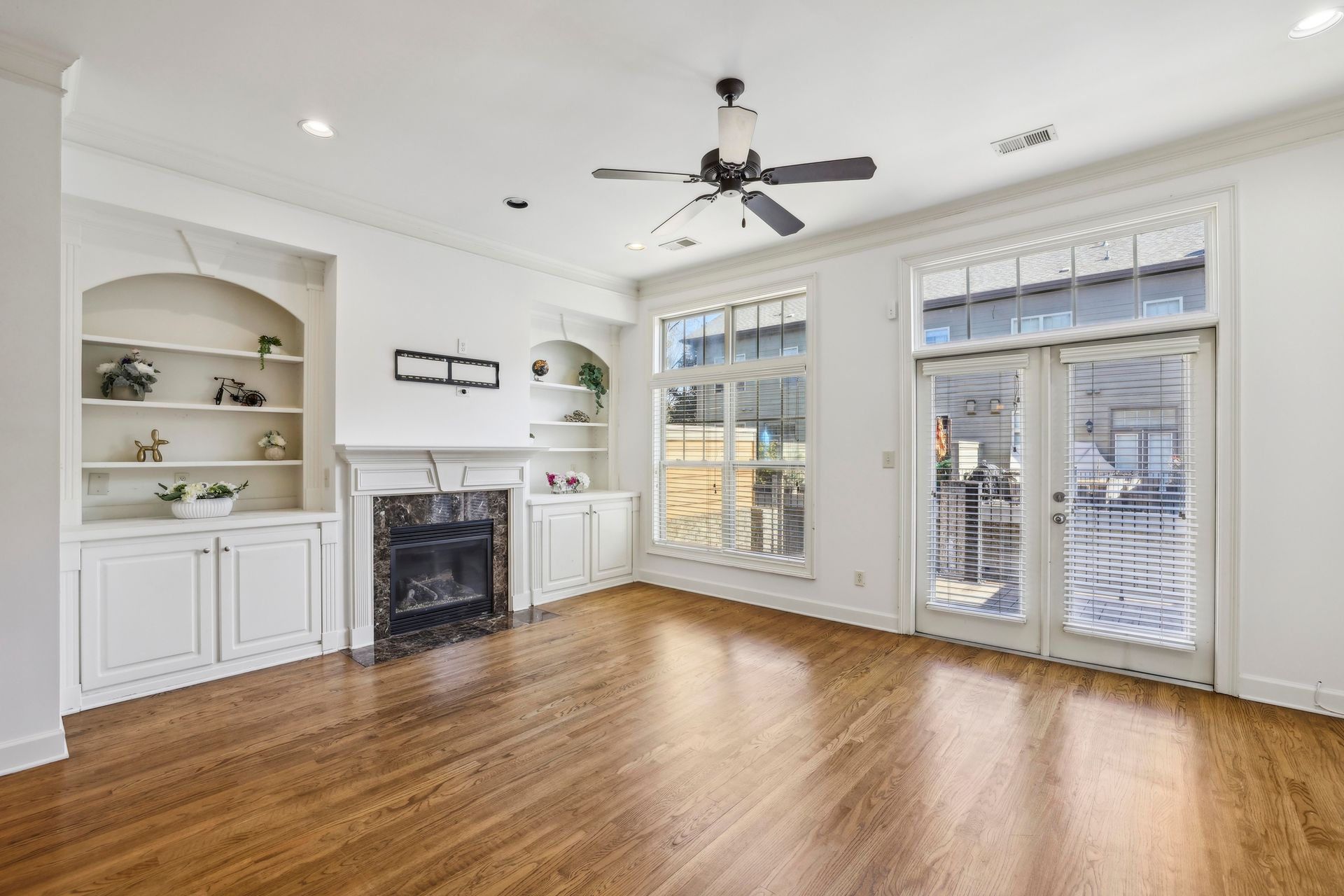
Sometimes buyers are excited to see a home because the listing photos look beautiful.
Then they walk in and the real-life experience does not match.
- Maybe the home feels darker than expected.
- Maybe the rooms feel smaller.
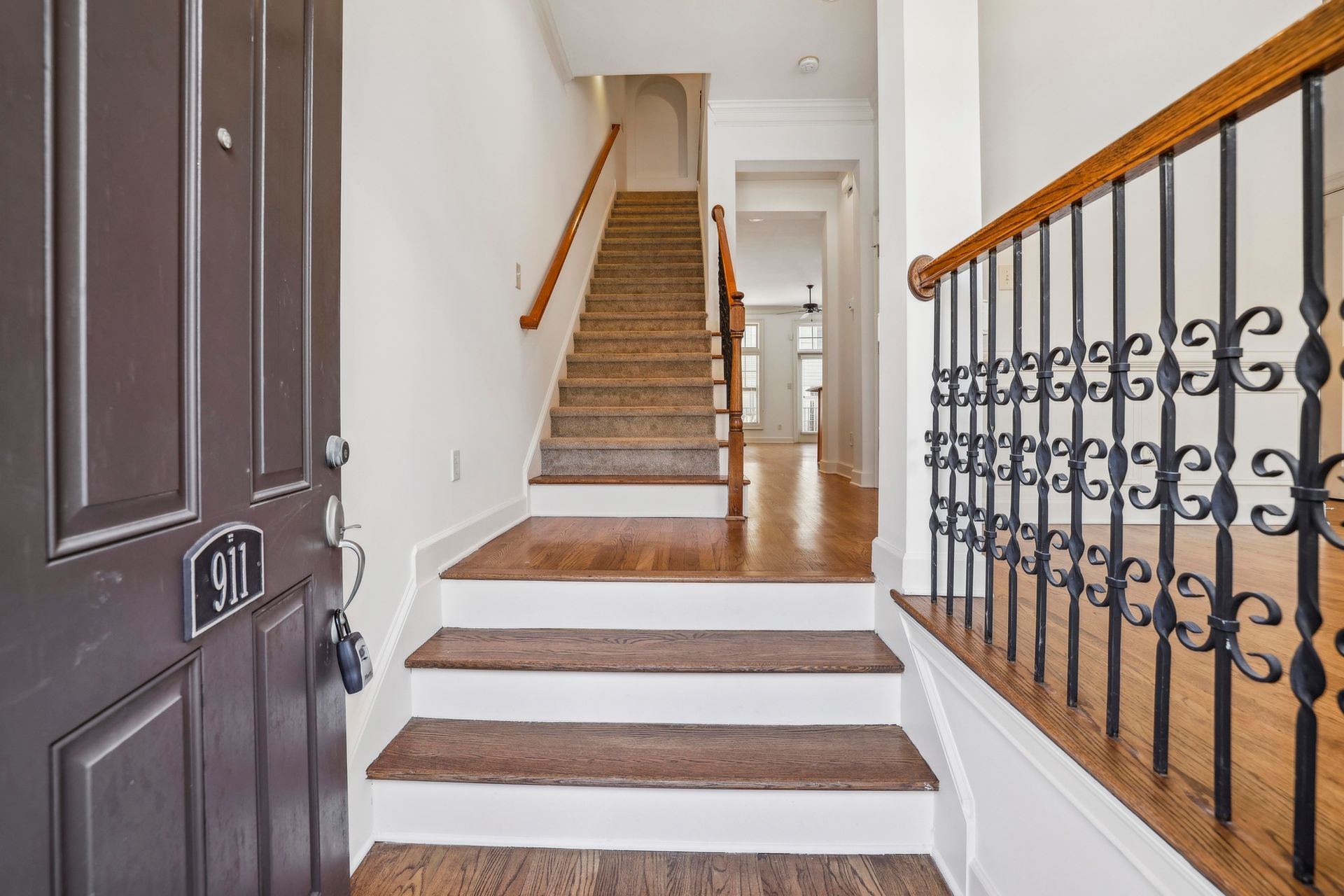
- Maybe the flooring looks more worn in person.
- Maybe there is a smell.
- Maybe the backyard looked more usable online than it feels in real life.
- Maybe the photos made the home feel more updated than it actually is.
When that happens, buyers feel disappointed.
The first showing is online.
The second showing is in person.
And the in-person experience has to confirm the promise made by the photos.
Professional photography matters, but the goal is not to overpromise. The goal is to attract the right buyers and help them feel confident when they arrive.
If the photos create one expectation and the showing creates another, buyers begin looking for reasons not to move forward.

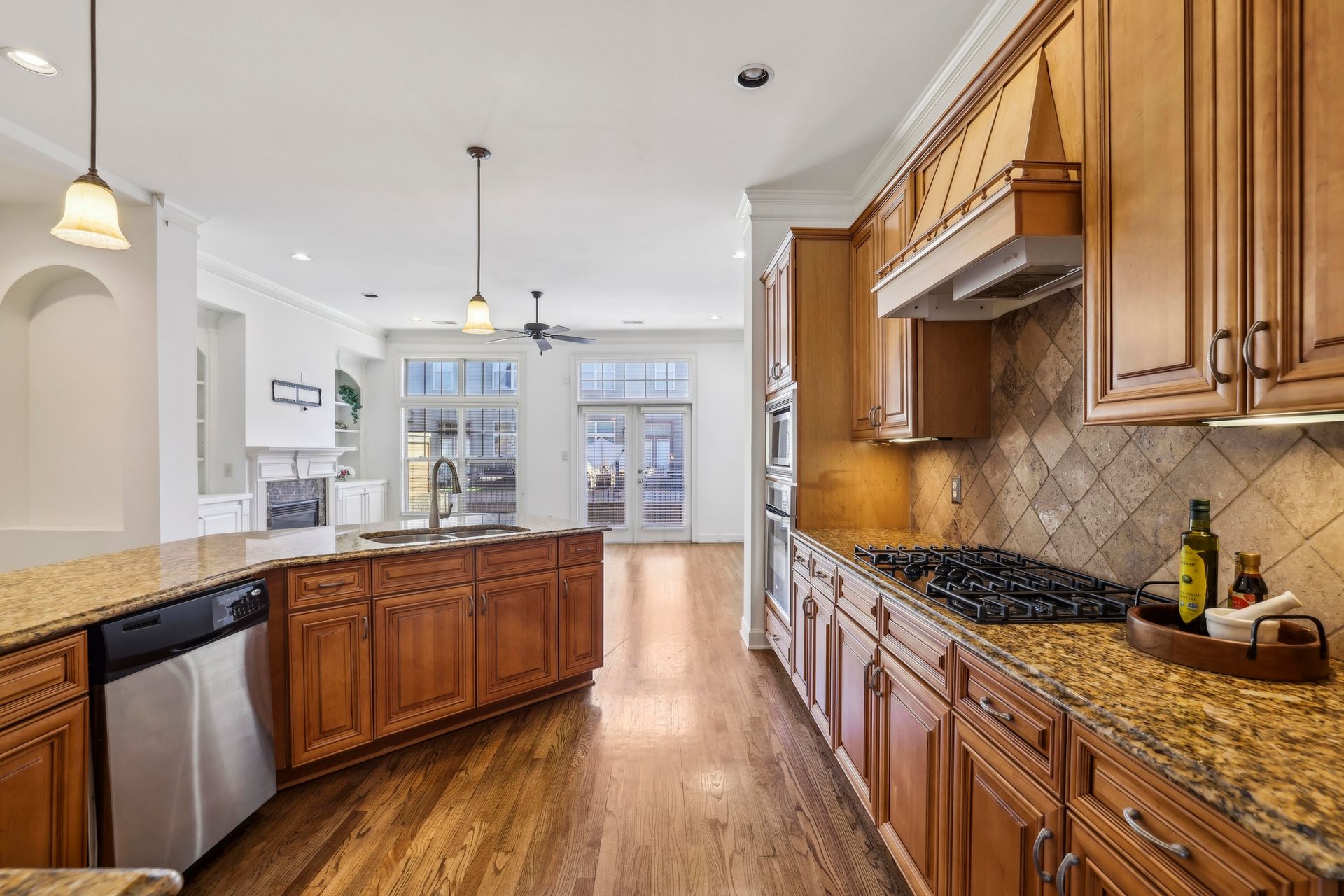
“I’m Not Sure How We Would Use That Space”
This is another comment buyers often make after a showing.
They may like the home overall, but one area feels confusing.
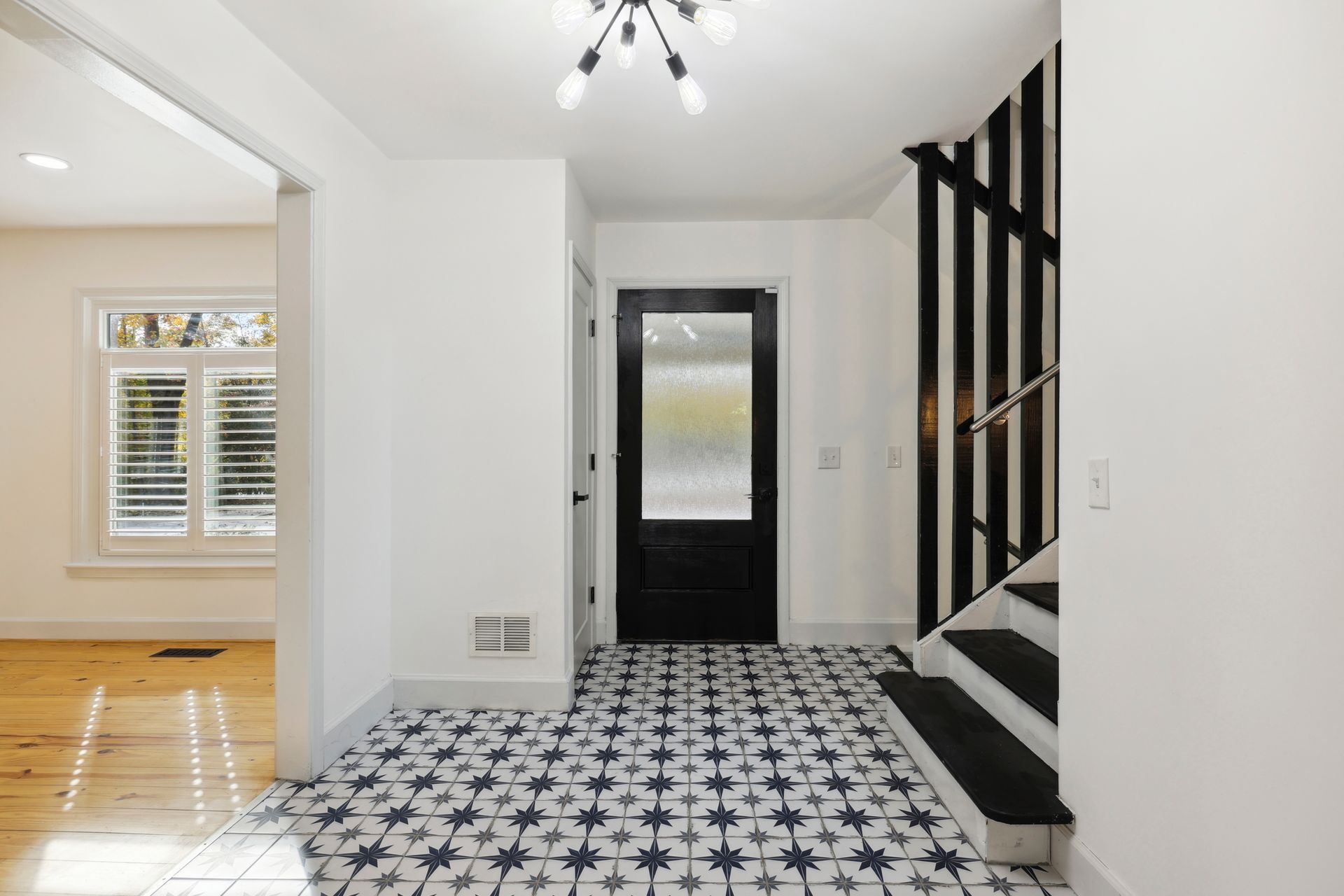
- A formal living room.
- A basement.
- A bonus room.
- A loft.
- A dining room.
- A small office.
- An unusual bedroom layout.
- A room without a clear purpose.
Sellers usually know how they use the space because they live there.
Buyers do not.
They need help imagining their own daily life.
- Where would we work?
- Where would the kids play?
- Where would guests sleep?
- Where would we gather?
- Where would we put furniture?
- Would this layout actually work for us?
This is why staging and presentation matter.
Sometimes the space itself is not the problem.
The problem is that buyers did not understand it.
A room may need a clearer function. Furniture may need to be rearranged. Photos may need to show how the space connects to the rest of the home.
When buyers cannot picture their life in a home, they often move on to one that feels easier to understand.
“The Backyard Is Not What We Expected”
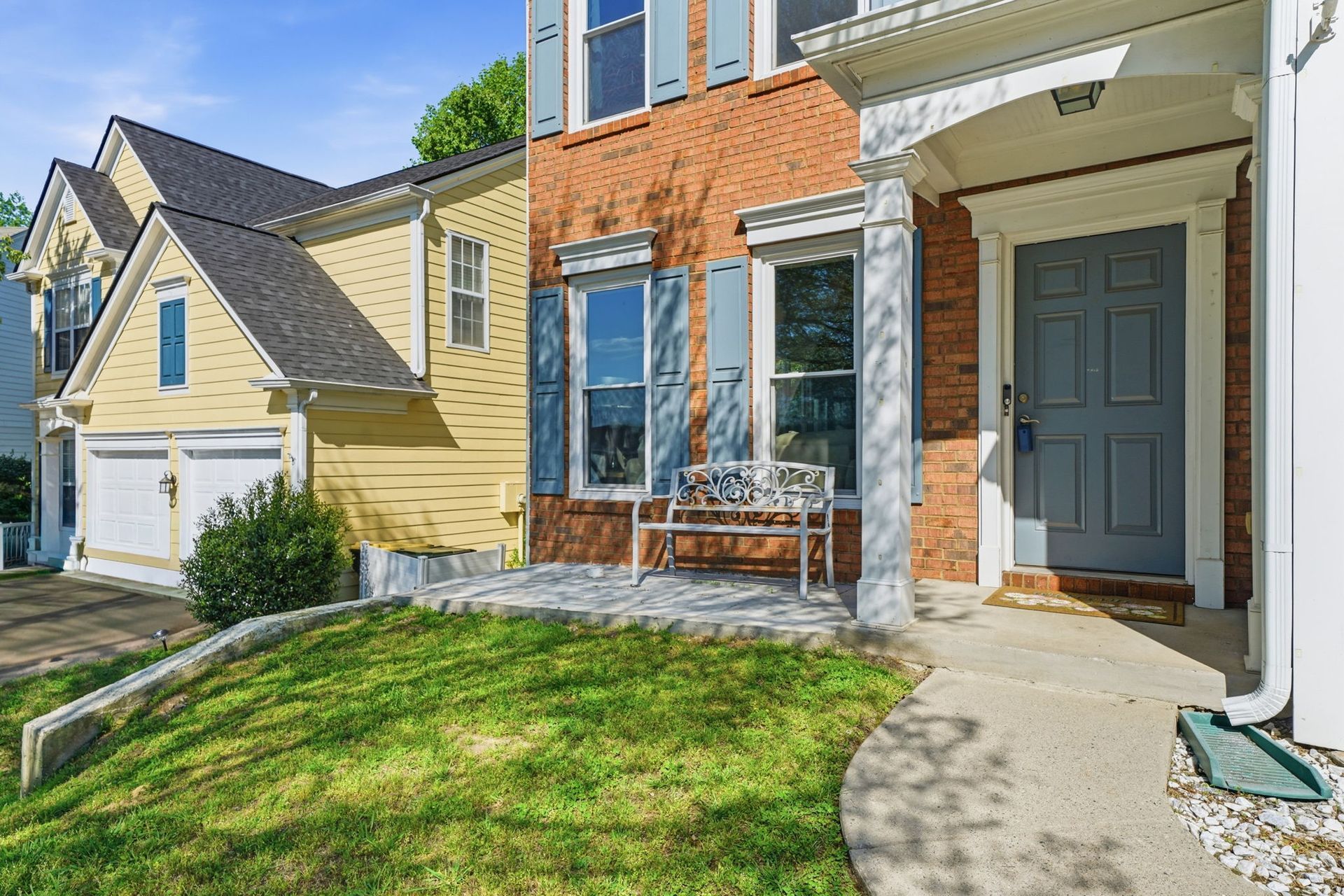
In North Atlanta, the lot can be just as important as the house.
Buyers often comment on the backyard after they leave.
They may say:
- “The yard is too sloped.”
- “It feels too wooded.”
- “There is not enough flat space.”
- “The driveway is too steep.”
- “It feels too close to the neighbors.”
- “The backyard looked bigger in the photos.”
- “I love the privacy, but I’m not sure how usable it is.”
This does not mean the lot is bad.
It means the lot needs the right buyer and the right positioning.
A wooded backyard may be a negative to one buyer and a dream to another.
A low-maintenance yard may be perfect for one lifestyle and disappointing for another.
A private setting in Milton may be a major selling point. A small but convenient yard in Alpharetta may make sense for buyers who prioritize location. A Johns Creek buyer may care more about neighborhood feel and backyard usability.
The key is to understand how buyers will interpret the lot before listing.
Then the marketing can either highlight the benefit, address the concern, or price the home accordingly.
“For This Price, I Expected…”
When buyers say this, they are telling us something important.
They are not always saying they hate the home.
They are saying the home did not meet the expectation created by the price.
“For this price, I expected more updates.”
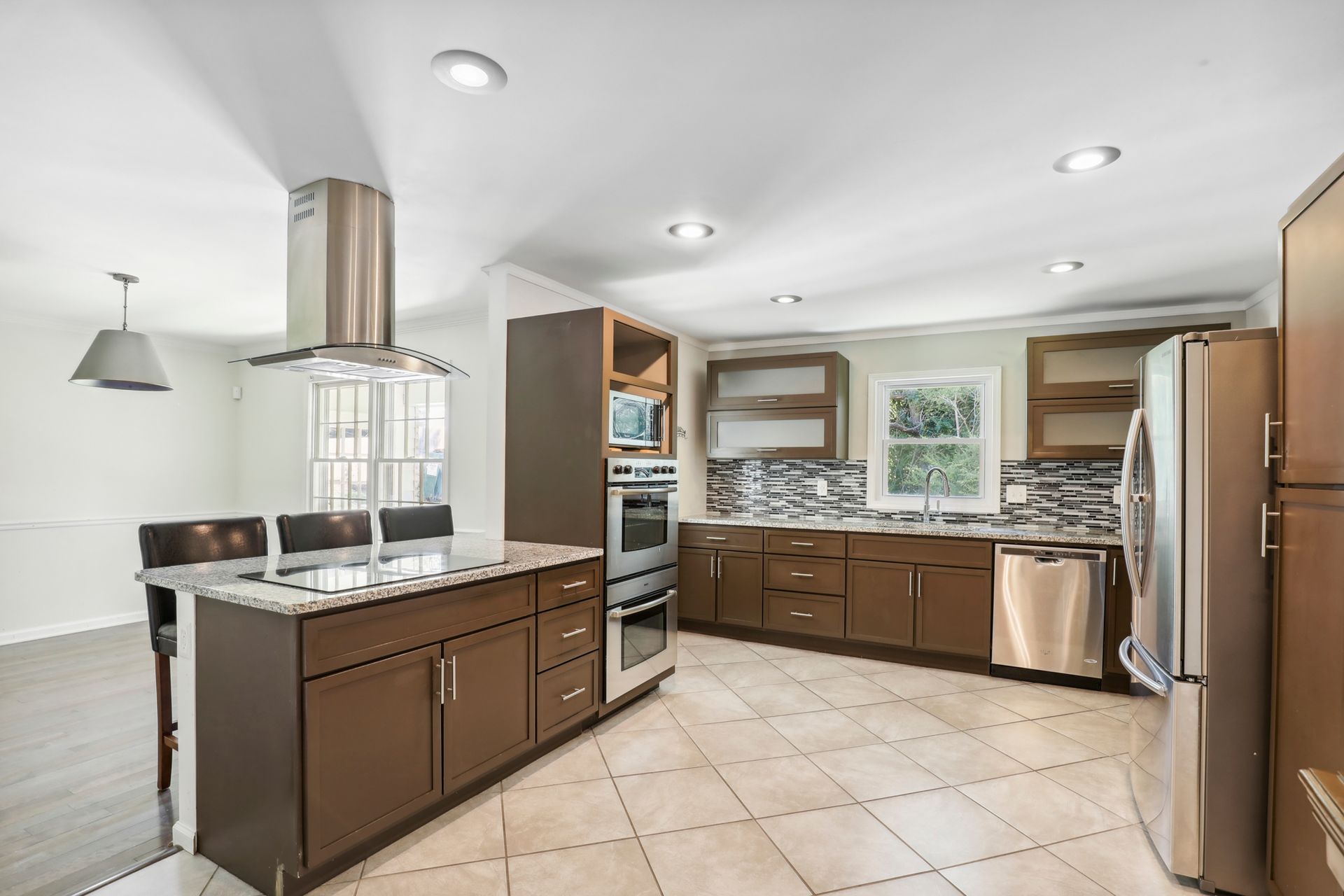
“For this price, I expected a better kitchen.”
“For this price, I expected a flatter yard.”
“For this price, I expected newer systems.”
“For this price, I expected it to feel more move-in ready.”
That phrase usually points to a value gap.
The home may still be worth strong money, but buyers need to feel that the price, condition, location, and presentation make sense together.
When one piece feels off, they pause.
That pause can lead to fewer offers, lower offers, longer days on market, or price reductions later.
“Let’s Keep It in Mind”
This sounds positive.
But sellers should understand what it usually means.
When buyers say, “Let’s keep it in mind,” they often mean:
“We are not ready to choose this home.”
They may still like it.
They may still compare other homes to it.
They may even come back later.
But they did not feel enough urgency to act.Sometimes that means the home is close, but not compelling enough.
Maybe the price is just a little too high.
Maybe the condition does not match the price.
Maybe another home offers more clarity.
Maybe they are waiting to see if the seller reduces.
Maybe they like the home, but one objection is unresolved.
In a strong launch, we want buyers to feel:
“This is the one we need to act on.”
Not just:
“Let’s keep it in mind.”
That difference matters.
What Showing Feedback Really Means
Showing feedback should not be ignored, but it also should not be taken emotionally.
One buyer’s opinion is not the whole market.
But patterns matter.
If one buyer says the home feels dark, that may be personal preference.
If five buyers say it feels dark, that is feedback.
If one buyer says the price feels high, that may not matter.
If multiple buyers say they like the home but do not write an offer, that is data.
If showings are strong but offers are not coming, something is creating hesitation.
That something may be price.
It may be condition.
It may be presentation.
It may be layout.
It may be the lot.
It may be competition.
It may be unanswered questions.
The job is to interpret the feedback clearly and adjust before too much time passes.
What Sellers Should Do Before Listing
The best time to understand buyer feedback is before the home goes live.
Before listing, sellers should ask:
- What will buyers love immediately?
- What will buyers question?
- What will they compare this home against?
- What could make them hesitate?
- What should we fix?
- What should we skip?
- What needs to be explained?
- What needs to be priced for?
What should the photos and marketing communicate?
This is where a private home value and positioning review can help.
It is not just about naming a price.
It is about understanding how the home will compete.
Because buyers are not only asking whether the home is nice.
They are asking whether the home makes sense at that price, in that condition, compared to everything else they can buy.
Final Thoughts
What buyers say after they leave the showing matters.
Not because every comment should control the strategy.
But because buyer feedback reveals how the market is interpreting the home.
A seller who understands that feedback early can make better decisions about price, prep, presentation, and positioning.
A seller who ignores that feedback may end up learning the hard way through longer days on market, weaker offers, or price reductions.
If you are thinking about selling your North Atlanta home and want to understand how buyers may respond before you list, text VALUE to 404-436-2128.
I’ll prepare a private home value and positioning review so you can see your likely value, buyer objections, current competition, and best strategy before going on the market.
Irina Averyanov
Keys to North Atlanta | Keller Williams North Atlanta
404.434.4454
irina.a@kw.com
www.keystonorthatlanta.com